Showing posts with label honey. Show all posts

Monday, September 1, 2025

All About Honey: How Is it Made?

Happy National Honey Month! 

Have you seen honey in your local grocery store? The farmer’s market? Your own kitchen at home? Have you ever tasted honey on toast or in tea? You may know that honeybees make it…but how?

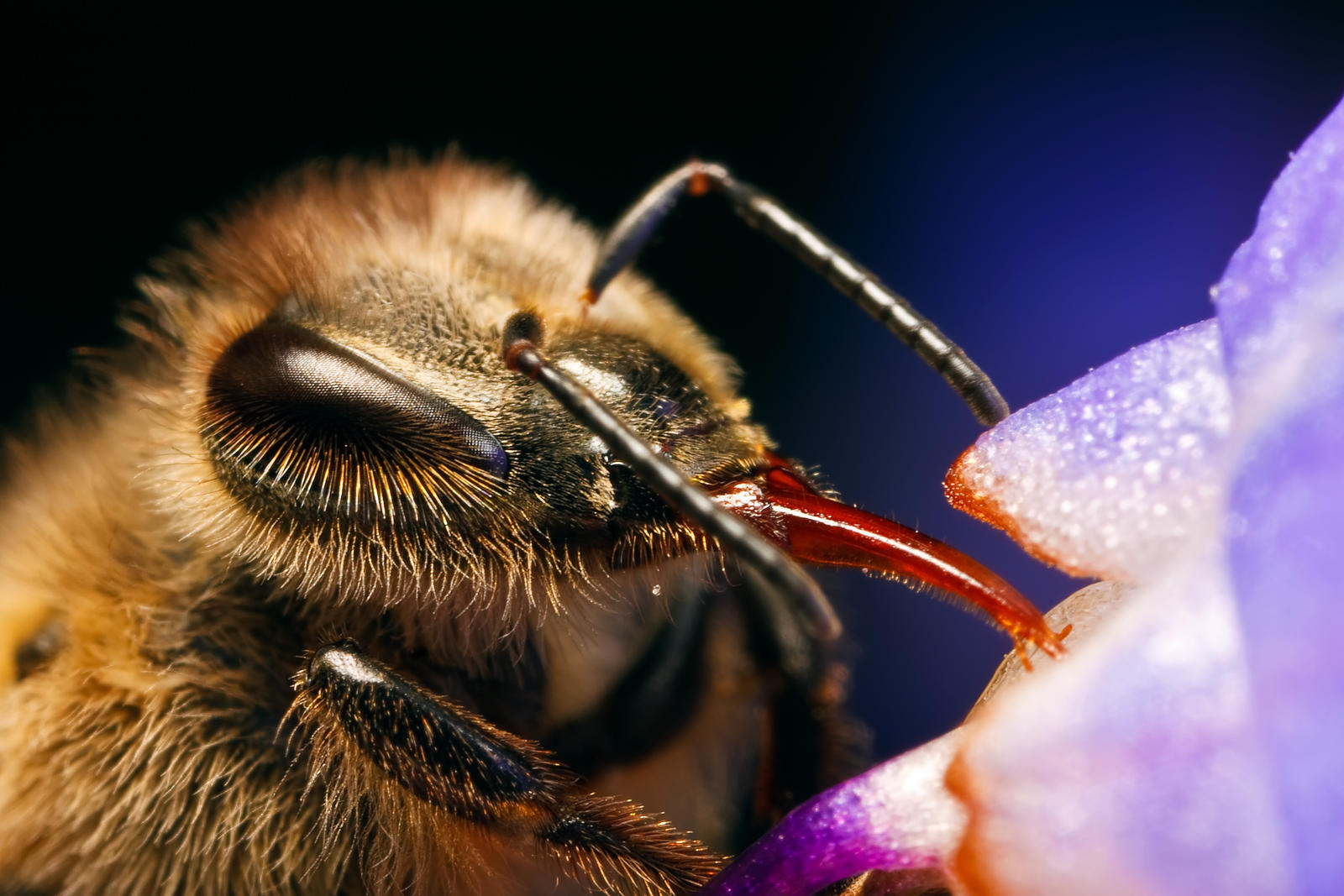
When bees visit flowers, they drink a sweet syrup called nectar using their straw-like tongue called a proboscis and carry it back to their hive in their honey stomach. There, they exchange the nectar with other bees in the hive using their proboscis, which they insert into their honeycomb cells. The bees flap their wings at 11,700 times per minute to dry it out (dehydration), and then allow the nectar to mature into thick, sweet honey! Once it’s ready, they seal it up with wax to keep it fresh. Like adding a lid to their very own honey jar! 


Not all honey is the same. It can look and taste different depending on the flowers the bees visit. Orange blossom honey is light and fruity, while buckwheat honey is dark and bold. Some honey is runny, and some is thick like buttery fondant! There is a honey for everybody!

Want to try honey for yourself? Visit a farmers' market in your town with your family or friends and taste different kinds made by local honeybees. You can also try cooking with honey at home using the recipes from our blog, drizzle it on toast, stir it into yogurt, or sweeten tea with a spoonful.

Next time you enjoy honey, make sure to thank the busy bees who made it!

Saturday, February 1, 2025

Beauty and the Bee

Honey has many uses, which even include beauty care! As a nature humectant, or moisturizer, which can be perfect for the winter months. This three-ingredient mask will gently exfoliate your face, balance your complexion, and leave your skin feeling soft and fresh.

Ingredients

  • 1/4 cup of oats
  • 2-3 tablespoons plain yogurt
  • 1 tablespoon honey

Steps

  1. In a blender or food processor, blend the oats until they're finely ground.
  2. In a small bowl, mix together the oats and all the remaining ingredients.
  3. Apply to a freshly washed face in a circular motion and leave for 10-15 minutes.
  4. Rinse off with warm water and follow with a gentle moisturizer.

You can use the mask once a week, but it's best to make a fresh batch every time.


Tuesday, October 1, 2024

Honey from the Beehive to the Bottle

 Most people only ever see honey once it is in the bottle ready for you to purchase, but how does it get there? 

Honeybees on a frame of honey
The process starts from the beehive. When the beekeeper is ready to harvest the honey they will start the honey harvesting process. First the beekeeper will get as many of the honeybees off of the frames of honey as they can. Then the beekeeper will transport the frames of honey to the honey house. This is an area that is specifically set up to harvest the honey. 

Opening the honey
After all the frames of honey are moved into the honey house, the beekeeper will remove the cappings. When the honeybees make honey they put a layer of beeswax over the honey to protect the honey. To harvest the honey, that wax layer needs to be removed, this is usually done by a knife that is heated or a tool that looks like a comb that has sharp ends on it. 

Honey extractor from above
Once the honey is opened the frames are placed into a machine that is called an extractor. The extractor will spin very quickly causing the honey to be forced out of the honeycomb and onto the walls of the extractor. The honey will then flow to the bottom of the extractor where there is a valve to get the honey out. 

Bottling the honey
From the bottom of the extractor the honey will be placed into buckets. The buckets are then placed into the bottling bucket. This bucket has a valve at the bottom that can be placed over a bottle to fill it. After the bottle is filled with honey, it then is ready for to be purchased and used in your house!


Monday, April 1, 2024

Honeybees Need Help Too

Honeybees do a lot to help us, but they need some help from us too.   

In the winter, honeybees eat food that the beekeepers leave in the beehive. By spring, the hive is usually getting low on food, so honeybees need to go visit flowers to collect pollen and nectar. The first flower that gives the honeybees lots of pollen and nectar is the dandelion. You can help honeybees by letting your grass get a little longer in the spring and letting the dandelions grow to give the honeybees food. Once dandelions are mostly white, honeybees can't get anymore food from the flower; then it is a good time to cut the grass. 


Planting flowers for honeybees to visit is another great way to help honeybees. Planting flowers that will boom at different times in the spring, summer, and fall make sure that they honeybees will have food all the time. 


One hive of honeybees can go through a gallon of water every day. They have to collect that water to drink and to cool down the beehive. Honeybees cannot swim, so you can help them get the water they need by putting some stones in a bird bath. The stones give the honeybees a place to land and sit while they are collecting water. Other than helping the honeybees get food and water, there is another way you can help them. 


Leaving the honeybees that you see on flowers, in the air, and drinking water alone to do their work helps the honeybees. Honeybees do not want to sting you. They are working to make honey and food for the beehive. Don't swat at honeybees when you see them, and give them some space to keep working. These are all very easy ways you can help honeybees do their jobs!

Thursday, February 1, 2024

Honey from Coast to Coast

Honey is produced in all 50 states, from Alaska to Florida and Maine to Hawaii. These honeys are all different. Honey varietals differ in color from almost clear to very dark brown. There are just as many flavors of honey as there are colors. The different colors and flavors are a result of the different flowers that the honeybees visit while they are out pollinating. 

Some of the colors of honey produced in the United States
The lighter colors of honey are usually lighter and more floral in flavor, and the darker colors of honey are more intense in their flavors. Honey doesn't just come in different colors and flavors, there are also different textures of honey!

Different Forms of Honey
Honey comes in many different forms. The form of honey most people are familiar with is liquid honey. Liquid honey can be used in many recipes to replace sugar (to substitute honey for 1 cup of sugar, use 2/3 cup honey. Decrease other liquids in the recipe by 1/4 cup). Another form of honey is cut comb honey. This is honey that comes straight from the hive like the honeybees store it. Cut comb honey can be eaten wax and all. Many people will put it on a charcuterie board with creamy cheeses. There is a mix between liquid honey and cut comb honey called chunk honey. Chunk honey is liquid honey surrounding a piece of cut comb honey. And the last form of honey is creamed honey. This honey is very smooth and spreads like butter. I encourage you to try a new honey color and form! You might find your new favorite flavor!

Wednesday, November 1, 2023

Bee-Thankful Kid Friendly Recipes

Thanksgiving is right around the corner, and why not celebrate with some easy recipes that use delicious honey! Below are some great recipes to try to show your appreciation for all the hard work honey bees provide for us.


Honey Peanut Butter Yogurt Dip from Sioux Honey

Instructions: 
  • 2 tablespoons honey
  • 1/4 cup plain Greek yogurt
  • 1/4 cup peanut butter
Directions:
  • Combine and stir all ingredients in a small bowl until smooth.
  • Serve with fruit, pretzels, or any other food that you want! 


Energy Balls
from 2023 American Honey Princess

Ingredients:
  • 1 cup oats
  • 1/2 cup chocolate chips
  • 1/2 cup flax seeds
  • 1/2 cup peanut butter
  • 1/3 cup honey
  • 1 tsp vanilla extract
Directions: combine all ingredients and form into a ball


Honey Turkey Rollers from National Honey Board

Ingredients:
  • 8 oz. cream cheese, softened
  • 1/3 cup honey
  • 1/4 cup mustard
  • 1/2 tsp onion powder (optional)
  • 6 (8-inch) whole wheat tortillas
  • 1 cup colby jack cheese, shredded
  • 12 thin slices turkey
Directions:
  • In a medium bowl, beat cream cheese with an electric mixer until fluffy. Add honey, mustard and onion powder; mix well.
  • Spread 1 to 2 tablespoons of honey cream cheese mixture out to the edge of each tortilla.
  • Sprinkle each tortilla with cheese, leaving about 1 inch around the edge.
  • Place 2 slices of turkey on each tortilla.
  • Roll up each tortilla tightly and wrap in plastic wrap.
  • Chill at least 30 minutes, then slice each tortilla log into eight 1-inch rounds and serve.

Thursday, June 1, 2023

The Journey of Honey: from Flowers to your Kitchen

Have you ever wondered how that jar of honey ended up in your kitchen? Honey bees are the incredible creatures behind the making of honey, and their process is quite fascinating. Let's take a closer look!

To make honey, honey bees start with an important ingredient: nectar. Flowers produce nectar, and honey bees collect it and bring it back to their hive. Inside the hive, they store the nectar in hexagonal cells made of beeswax.

Honey bee collecting nectar from a flower.

Nectar in beeswax cells inside a honey bee hive.


Next comes a special step called "fanning." Honey bees fan their wings over the nectar-filled cells, creating a gentle breeze. This breeze helps to dry out the nectar. This drying process is what transforms the nectar into honey. When the nectar's moisture level drops below 18%, it officially becomes honey.

Once the honey is ready, the honey bees seal the cells with beeswax. This ensures that the honey is stored safely for a long time because honey has a low water content and a high sugar content, making it difficult for bacteria to grow. That's why honey never spoils as long as it remains sealed, just like the jar of honey in your kitchen.

Capped honey cells inside a honey bee hive.

When beekeepers harvest honey, they take frames filled with capped honey cells. They carefully scrape off the beeswax caps using a bread knife or an uncapping tool, revealing the honey inside. These frames are then placed in a machine called a honey extractor. The centrifuge spins the frames rapidly, and the honey is separated from the cells. It collects at the bottom of the machine and is drained into a bucket. Once in the bucket, it's ready to be bottled.

Beekeeper using a tool to scrape off beeswax cappings.


Honey frames in a honey extractor.

Did you know that there are more than 300 varieties of honey in the United States? The only difference between them is the flowers the honey bees choose to visit. Depending on where you live, you may have different honey varieties to choose from. For example, orange blossom honey, made from the nectar of orange blossoms on orange trees, is popular in Florida and California.

Honey is not only delicious but also precious. It takes the entire lifespan of 12 honey bees to produce just one teaspoon of honey. So when you enjoy honey, make sure to savor every drop and appreciate the hard work of those amazing honey bees.


Wednesday, March 1, 2023

Benefits of Honey

Honey is a great food that both honey bees and humans consume. Honey bees collect pollen and nectar from flowers that they visit during pollination which they take back to their hive to turn into honey. Honey is primarily made up of sugars and water, with trace amounts of vitamins and minerals. Some of the key vitamins and minerals are: calcium, copper, iron, magnesium, manganese, phosphorus, potassium, zinc and more!

One way to use honey in addition to consuming it, is using it for wound care. Honey has been shown to speed up the process of wound healing, particularly burn wounds. 

Honey can also be used as a cough suppressant. This is because honey helps thin mucus and loosen coughs. Just taking two teaspoons of honey can help relive nighttime coughs for better sleep and more comfortability. 

Honey also can help various diseases by reducing heart risks, lowering memory loss, and even boosting one's mental health. In addition, honey contains antioxidants, which helps protect the body from inflammation. 


Tuesday, March 1, 2022

Honey Across America

Across the United States, from California to Maine, honey is produced. There are more than 300 different varieties of honey that can be found in America. Honey comes in many different colors and flavors. The type and taste of honey is determined by the nectar source that honeybees find in different flowers. As a guideline, the darker the honey, the more intense the flavor. Lighter honeys typically have a more floral and sweet taste to them.

A few of the different colors of honey.

Buckwheat honey is a darker variety of honey, known for its powerful and potent taste. It is produced by honeybees from a buckwheat plant. It can be found in the northern half of the United States.

Avocado honey is produced predominately in California. Avocado honey has a smooth yet bold flavor, similar in color, thickness and flavor to molasses.
An avocado tree where honeybees collect the nectar needed to make avocado honey. 

Orange blossom honey is made by honeybees mainly in Florida. Something that is unique about orange blossom honey is that it has a slight orange flavor to it. This is completely natural, as the flavor of orange is not artificially added. Most honeys that come from fruit producing flowers do not have the taste of that fruit, but orange blossom honey is unique. This honey is light amber in color.

Orange blossom honey with a sprig of orange blossom.

It is important to support the American honey industry. Honeybees have a vital role in agriculture, and the best thing a person can do to help the honeybees is to support the people who take care of them, the beekeepers!

Tuesday, June 1, 2021

Bee Healthy with Products of the Hive

Honeybees are the only insects to provide humans with products that we can use. But did you know that these products of the hive can help to keep you healthy? Humans have been harvesting honey for more than 8,000 years while Ancient Egyptians used honey as part of their beauty regiment 3,000 years ago. From beauty care regiments to health supplements, the products of the hive can make you beautiful and healthy both inside and out.

Honey

One of the most apparent products of the hive packed with many health benefits is honey! There are trace amounts of vitamins and minerals such as calcium, iron, potassium, magnesium, and vitamin B6. Besides the trace vitamins and minerals found in honey, this golden liquid has antioxidants but also improves your health by lowering blood pressure and has been shown to improve cholesterol. In addition to using honey as a sweetner or in your cooking, it has other uses like a moisturizing hair mask or skin scrub. Honey is a humectant helping to draw moisture to the skin when used as a mask leaving your skin smooth and hydrated and helping to combate acne and inflammed skin. It is the antibacterial and anti-inflammatory properties found in honey that make it a great option when you have a cough and are looking for a soothing remedy or as a wound treatment. For years, honey has been used as an alternative wound care treatment on cuts, scraps, burns, and sunburns because of its ability to promote healing and prevent infection.

Pollen

Pollen is not only food for the bees but also something that we can enjoy because of the numerous health benefits. In pollen, there are over 250 proteins, amino acids, minerals like calcium, magnesium, and potassium, as well as vitamins A, E, D, C, and B. Pollen also has high quantities of antioxidants which can decrease wrinkles and signs of aging but also can decrease free radicals that lead to cancer. But those are not the only health benefits as pollen can lower high blood pressure and the risks of heart diesease. So the next time you are cooking, try incorporating some of those delicious yellow, green, and brown pollen pellets into your recipe to get a flavor boost in addition to the numerous health benefits found in pollen!

Propolis

The bee glue as it is sometimes referred to can close the openings within the hive but also be consumed as a way to keep you healthy. Because of the antifungal and anti-inflammatory properties in propolis, it has been used for thousands of years for wound healing in medicine and for beauty. Propolis can help to stimulate blood flow while also decreasing inflamation from bug bites, rashes, and other skin irritants. Your oral health can also benefit from consuming propolis as it can reduce plaque and heal sores. 

Beeswax

Besides the pleasant aroma of a beeswax candle to calm and relax you after a long day, the additional health benefits of beeswax may surprise you. When using beeswax in skin care products like lotion, makeup, chapstick, and face masks, the vitamin A works to rejuvenate and soften the skin. A beeswax lotion will add moisture to the skin but also help your body to retain the natural moisture found in the skin by creating a barrier from the elements. The healing properties of beeswax reduce acne as well as black spots but also help to reduce the appearance of scars. Incorporating beeswax into your skin care routine is easy and will benefit your skin.

Bee Bread

Bee bread is not only food for the bee larve but can also be consumed by humans. Bee bread is comprised of pollen, honey, beeswax, and enzymes mixed in from the bees and is filled with vitamins and amino acids. Besides the trace nutritional benefits, bee bread can help you when stressed to sleep better at night. 

Royal Jelly

Royal jelly sounds like it has to be healthy because it is royal. Royal jelly is nature's superfood for the bees and the queen. The queen bee is fed a diet made up of only royal jelly which helps her to develop into the largest bee and the bee responsible for laying eggs each and every day. The most common use of royal jelly is in beauty creams to promote collagen production. In addition to promoting collagen production, royal jelly is both antibacterial and antiviral which can assist in boosting the immune system. 


From pollen to honey, it is easy to be healthy with the many products of the hive. These poducts can be incorportated into your daily beauty regiment, your daily meal prep, or even into your health care routine! 


Thursday, April 1, 2021

BEE-utiful with Honey


You have probably heard the saying "honey has been used since ancient times." Could that really be true? The answer may surprise you but yes, honey was used thousands of years ago all over the world in places like Greece, Egypt, and Spain! Some used it as a way to flavor or sweeten food while others realized its medicinal properties and used it as a way to heal wounds. But those that wanted to have beautiful skin realized honey was the answer. It is easy to look your best when you incorporate honey into your skin and hair care routine.


An 8,000 year old painting discovered in Arana Cave in Spain
where honey is being gathered from a hive on a cliff face.


Hair Care

Honey has been used as a hair treatment for centries since honey has numerous benefits when applied to your hair. Honey is an emollient, which means that it both smoothes and softens dry hair, as well as a humectant which helps to retain moisture. Besides boosting your hair's moisture content, honey can also make your hair shinier and more manageable. And if you are looking to naturally lighten the color of your hair, honey can bring out your hair's natural highlights. Through using honey as a hair mask on a regular basis, you can see stimulated hair growth as it can nourish and regenerate cells on your scalp. But the benefits of using honey don't stop there! If you have dandruff, honey just might be the answer. Besides moisturizing the skin cells on your scalp, honey is antibacterial which can help to treat infections but also kill the bacteria that can lead to dandruff. Pamper yourself with a simple homemade honey hair mask to soften your hair and soothe the scalp!


Skin Care

We now know that honey can moisturize your hair but those same moisturizing properties found in honey can also do great things for your skin! Brighten and moisturize your skin through a honey face mask. Using honey as a facial scrub can exfoliate dry and dead skin leaving your skin softer and smoother. Besides using honey as just a facial scrub, you can also use honey to moisturize chapped lips. If you struggle with acne, psoriasis, or eczema, try applying unpasturized honey to your sking to activate your immune system while also reducing inflammation and redness. The power of honey does not end there. By applying honey on scars, it can fade acne scars or improve the healing of a wound or sun burn. And if you are really looking to pamper yourself, indulge in a milk and honey bath just like Cleopatra did. 

                                   Try these easy 2 ingredient skin care recipes!


Pamper yourself with honey beauty regiments that have been used for thousands of years. Through honey and its moisturizing properties, refresh and brighten your skin or moisturize your hair to be BEE-utiful through the use of honey!

Monday, February 1, 2021

Sweet Kitchen Tricks


Using natures sweetener has endless possibilities! From cooking to baking, maybe using it as a sweetener, or utilizing it in your meal as a flavorful glaze, your imagination awaits. Use these 8 sweet kitchen tricks to use honey like a pro.


    1. Get that last drop: Over the course of a worker bee's life, she will collect enough nectar to make 1/12 teaspoon honey. So make sure you get all of the honey out of your measuring cup so you can enjoy her hard work! Before measuring out your honey, spray the utensil down with cooking spray to help the honey glide out of the utensil.                                                                                                        
    2. Crystallized to liquified: Honey will naturally crystallize but you can liquify it by placing the jar in a warm water bath and stiring until the crystals dissolve. You may also microwave a microwave-safe container with the lid off, stirring every 30 seconds until the crystals dissolve. To slow the process of crystallization, store honey at room temperature.                                                                          
    3. Substitute: Honey can be substituted for granulated sugar by beginning to substitute honey for up to half of the sugar that is needed in that recipe. With some experimentation, some recipes can have all of the sugar subsituted with honey.                                                              
    4. Turn the temperature down: Honey can increase the speed of browning in the oven. For baked goods, reduce the oven temperature by 25 degrees to prevent over-browning from occuring.                                                                                                                                          
    5. Reduce the liquid: Honey naturally has more moisture than granulated sugar so to acheive the same consistency that you would with granulated sugar, you need to reduce the liquid used. For every cup of honey that is used in the recipe, reduce any liquid by 1/4 cup.                      
    6. Neutralize: Honey has an acidic nature making it great for marinades as the acid can tenderize meat. To neutralize the acid when baking, add 1/4 teaspoon of baking soda for each cup of honey that is used. The acidic nature of honey is what makes honey self-preserving.                                                                                                                      
    7. Choosing honey: There are over 300 varieties of honey available in the United States, each with a different flavor because of the floral source. So how do you choose which type of honey to use for each recipe? A lighter colored honey typically has a milder taste while a darker honey will have a more bold flavor. A dark honey is great to use in sauces and a lighter colored honey tastes splendid in tea or lemonade. Experiment with the many different varieties of honey to see which honey works best in your favorite recipes.                                                                                       
    8. Honey conversions: If a recipe calls for 1 cup of honey, all you will need is a 12 ounce jar of honey. The conversion is 1 cup = 12 ounce jar of honey. 

Experiment with the over 300 varieties of
honey available in the United States!

Sunday, January 17, 2021

Honey Cinnamon Butter Recipe

 Ingredients:

  • 1 Stick butter (1/2 C.)
  • 1/2 C. Honey
  • 1 tsp. Cinnamon

Directions:
    Mix all ingredients together and serve with pancakes, bagels, rolls, or toast.

Honey Cranberry Dip Recipe

Ingredients:
  • 8 oz. Cream cheese, softened
  • 1/4 C. Honey 
  • 1/4 tsp. Cinnamon
  • 1/2 C. Dried cranberries
  • 1/4 C. Pecans or walnuts, coarsely chopped
Directions:
  1. Beat the cream cheese with a mixer until it is fluffy. 
  2. Add the honey and cinnamon and beat until combined.
  3. Fold in cranberries and choice of nuts. 
  4. Chill until firm. 
  5. Serve with graham crackers and fresh fruit.

Tuesday, December 1, 2020

What do Bees Eat?

Did you know that honeybees eat more than just honey? They eat a couple different types of food to stay healthy and have energy to work!

Of course honeybees eat honey! They make it from nectar, the sugary substance flowers make to invite the bees to visit. The honeybees gather this nectar to make into honey. You can learn about how honeybees make honey in our past post called “How Do Honeybees Make Honey?” The honey they eat is the source of carbohydrates and gives them energy. Did you know that honey is a good energy source for humans too!
The pollen baskets are packed full!

Honeybees also eat pollen (a powdery substance flowers make) for their protein. They mix the pollen with nectar and pack it onto their back legs into their pollen baskets. They then carry the pollen home to feed to the brood (baby bees). This pollen keeps the honeybees healthy so they can fight off infection in the hive and help the baby bees grow big and strong.
The milky substance inside the cells is royal jelly.


Royal jelly is a milky, protein rich substance that the honeybees feed special eggs to make them become a queen bee. If the egg wasn’t fed royal jelly then it would become a worker bee, but when an egg is fed the special food it supercharges their development so that they are able to lay eggs and become a queen bee. Royal jelly is made from glands in the bees’ head. Some people like to eat royal jelly because it has so many healthy proteins in it. While it doesn’t turn you into a queen bee it can be a great way to keep yourself healthy.

Lastly, honeybees drink water. All living animals need water and honeybees are no different. They look for slow moving sources of water because honeybees can drown. Pollinating and collecting nectar is a hard job and the worker bees need somewhere safe to land to take a drink of water. We wrote back in February about how you can build your own bee water bath!

Thursday, October 1, 2020

Make Your Favorite Recipes with Honey!

Cooking with honey is fun! You can use your favorite type of honey and end up with a completely different taste in the end. If you make these simple changes to your favorite recipe, it will come out with the same texture you love, and even tastier!
  1. Reduce your oven temperature by 25°F if baking – You don’t want your dish to burn or get overly brown!
  2. Use honey for half the measurement of sugar – Honey naturally tastes sweeter than sugar, so you don’t need to use as much to get the right sweetness.
  3. Reduce liquids by ¼ cup for each cup of honey used – Honey is a liquid while sugar is a solid. Taking out some of the liquid makes your dish come out with the right consistency.
  4. Add ½ tsp baking soda for each cup of honey – This is important because honey is slightly more acidic than sugar. The baking soda balances the pH difference.
There are so many different colors of honey!
Did you know that there are over 300 different varietals of honey in the United States and over 3,000 in the whole world? We get the different colors and flavors depending on where the honeybees gathered the nectar from. Some nectars are lighter and some are darker, but they all taste delicious!  

Try experimenting with the different varietals of honey in your recipe. I like to use dark honey such as buckwheat when cooking meats and light honey when making smoothies.

Did you know that honey is a preservative? That means if you make your recipe with honey it won’t go bad as quickly! I especially love to make cookies or bread with honey because it will stay moist and fresh longer.

If you want to walk through a recipe with me while I make the conversions, you can watch it on our YouTube channel here! I made a Honey Banana Bread, and recommend you try converting your favorite recipe to use honey!


Sunday, September 6, 2020

National Honey Month

September is National Honey Month! It is a time to celebrate and offer our thanks to honeybees and beekeepers across the United States. Typically, honey collection season ends in September and many are enjoying a freshly extracted crop of honey. Yum!

Honeybees are responsible for pollinating 1/3 of our food, their contribution valued at $20 billion! In her 6-week lifetime, a single worker bee produces approximately 1/12 of a teaspoon of honey by visiting around 2,600 flowers. Amazing! Honey comes in a variety of colors and flavors based on the nectar source. During this pandemic time, we have started a new YouTube video series teaching about different honey varieties from all over the Unites States. We invite you to follow along!


Saturday, August 1, 2020

8 Household Uses of Honey

Honey is more than a sweet treat! We find antibacterial, antifungal, antimicrobial (cleaning) and hygroscopic (helps with healing) properties in it which makes it useful for much more than eating. If you want to learn how honey gains these properties you can learn about it in our past blog post about enzymes. Honey has many purposes both in and outside of the kitchen. Try out of some of our favorite ways to use honey!

Honey sticks have 1 teaspoon of honey in them which is the perfect amount for a face wash!
Honey sticks have 1 teaspoon of honey in them
which is the perfect amount for a face wash!

  1. Energy boost: Honey has the power to give you energy! A lot of athletes take honey before their competitions. The healthy sugars and protein rich pollen in honey give your body the nutrients it needs to perform!
  2. Face wash: To moisturize and clean your face with honey, simply wet your face with warm water and smooth some honey on your face. Leave it on 10-15 minutes and rinse off. You’ll find that your skin is cleaner, softer, and your pores are smaller. Tip: honey sticks are the perfect size for one face wash. Some Honey Queens like to travel with honey sticks to always have honey on hand for their face washes.
  3. Heal cuts and wounds: Did you know honey can be used to treat small cuts, burns, and bites? Some people even call honey “Nature’s Neosporin because of the cleaning and healing properties. Take some honey on a band-aid and place on your wound. Some hospital use honey as their preferred treatment for burns.
  4. Heal pimples: If you or your older sibling get pimples, you can dab some honey on it next time you get one. The cleaning properties of honey help it go away!
    Try adding honey to your favorite drink
    to soothe your throat
  5. Hair magic: Honey can even be used on your hair! To moisturize your hair so it’s less frizzy and make it shiny, smooth  honey throughout wet hair and leave for 10 minutes before rinsing.
  6. Beauty bath: Some say that Cleopatra bathed in milk and honey to keep her skin healthy and beautiful. Try adding a spoonful or two of honey to the water next time you take a bath!
  7. Soothe your throat: Honey coats your throat whenever you eat it and is a natural cough suppressant. You can add it to tea or your favorite drink or snack. One of our favorite drinks is honey water which you can make by warming up water and adding honey to taste.
  8. Sleep aid: Try taking a spoonful of honey before you go to bed to help you fall asleep!

Friday, May 1, 2020

Other than honey, find these in the hive!


Healthful Products from the Hive | Mother Earth Living
Everyone who enjoys honey loves it for the taste and the unique, sweet flavor it possesses. We use it for cooking, as a natural sweetener, and even for medicinal purposes! However, many people don't know about the other products honeybees use and produce in the hive!

Honeybees make beeswax to form their hive. The bees create hexagonal shaped cells with the beeswax to store honey and pollen in. The cells also serve as a temporary home for the larvae (the developing bees). People may purchase beeswax with the honey still inside the cells, which is known as comb honey.

Comb honey is the most natural form of honey because it is bought exactly as it comes from the hive. Other than comb honey, there is chunk honey, which is a chunk of comb honey in a jar of liquid honey. Beeswax is used in plenty of cosmetics because of its soothing and healing properties. Beeswax may also be used to create candles; the candles have a very fresh, delicate honey smell, and they last quite a long time!

Propolis is what honeybees use to seal the cracks of their hive; the propolis makes the hive safer and more sanitary. Propolis is very beneficial for not only the honeybees, but also humans. Propolis contains anti-inflammatory, anti-fungal, and anti-bacterial properties. It is so rich in beneficial properties because it is made from sap in trees and resin from the tops of leaves and plants along with honeybee saliva and beeswax.

Pollen is a powdery substance honeybees carry from flower to flower to successfully pollinate. To gather it, honeybees collect the pollen on the backs of their legs in their pollen baskets. Then they bring the pollen home to produce bee bread. Bee bread is a mixture of honey and pollen that is fed to the larvae. Humans may also consume pollen; it contains plenty of nutrients and a lot of protein. People may buy it to use on salads and in smoothies. Pollen is a great source of protein for vegetarians.

There are so many different amazing products of the hive people may purchase and use in their life. Make sure you talk to a local beekeeper and try some for yourself!

Wednesday, April 1, 2020

How do Honeybees Make Honey?


Have you ever wondered how honeybees make honey?

Well, flowers need pollination from honeybees to grow fruits, vegetables, and nuts. The way the flowers entice honeybees to pollinate them is by producing a sweet substance called nectar. The bees gather the nectar to turn into honey for their food. When a bee lands on a flower it will stick out its tongue (also called a proboscis). The proboscis is shaped like a straw and helps the honeybee suck up the nectar. 
Notice the bee's proboscis drinking the
nectar from the flower?

Photo: dalantech - deviant art

The nectar is then stored in a bucket inside their body called a honey sac. Honeybees can’t carry buckets like we can, so they store it in a special bucket inside their body. Inside the honey sac, the nectar is mixed with enzymes, special substances which give medicinal properties to honey. These enzymes add antibacterial, antimicrobial, and hygroscopic properties. That means honey is like nature’s Neosporin. Next time you get a cut or wound, put some honey on it and then a band-aid. The honey will clean the wound because of the cleansing properties and keep it moisturized and sealed to help it heal with as little scarring as possible. Many hospitals even use honey to help heal burns.

Honey stored in the honeycomb
Photo: Igor Dmitriey
While the honey is mixing with enzymes, the honeybee will fly home to her beehive. Inside the beehive the bee will deposit the honey from her honey sac into the honeycomb. The honeycomb is where baby bees are laid and born as well as the food (like honey) is stored. The bees will fan their wings over the nectar to dehydrate the honey (take some of the water out). Once some of the water is taken out, we have a thick, syrupy honey. The honeybees will put fresh beeswax over the honeycomb cells to make sure no dust or dirt comes in while the honey is stored until it is needed.

After all the hard work, the bees now have honey. Honey is their main food source, and they often have an excess amount of it. A beekeeper can then come in to take their extra honey they don’t need, so we can enjoy it too. Next time we enjoy honey drizzled on a biscuit or a honey smoothie, we should thank the hardworking honeybees.