Showing posts with label beekeepers. Show all posts

Friday, September 1, 2023

Different Ways to Help Honey Bees

Honey bees are vital for the pollination of many of our fruits and vegetables. Making sure we are all doing our part in helping them survive and grow is very important. 

Honey bee population numbers in the United States have been decreasing over time until about 10 years ago, but the population numbers have remained fairly stable since then. However, there are several things we can do to help honey bee populations.

  1. Grow a bee friendly garden:
    • Planting garden flowers and native wildflowers are a great source of nectar for honey bees! Some key flowers to plant are bee balm, sunflowers, lavender, goldenrod, and many more! In addition, planting trees, such as maples or black cherries, provide many blooms that support honey bees.
  2. Avoid pesticides and herbicides
    • Using pesticides and herbicides can be harmful to honey bees and other pollinators. Not using pesticides and herbicides can help honey bees, but if they need to be applied make sure to not apply them when flowers are blooming and do it at dusk or dawn when honey bees are not foraging.
  3. Support beekeepers
    • Buying honey and related products can be a great way to support honey bees. Another way to support both beekeepers and honey bees is to contact a beekeeper if you see a honey bee swarm. Beekeepers can help provide a safer home for honey bee swarms, which helps everyone out in the end.
  4. Be an advocate for honey bees
    • Teach others the importance of honey bees and other pollinators and ways they can help. Not everyone understands that honey bees are the number one pollinator in the world and their survival and success is so important!

There are many other ways to help honey bees and other pollinators, but this is a great list to help you get started! Be sure to do your part in helping the survival of honey bees, as they are vital to the pollination of so many of our foods.

Calling a local beekeeper about honey bee swarms
is a great way to help out honey bee populations!


Friday, October 1, 2021

The Relationship Between Beekeepers & Farmers

Have you ever heard about "mutual relationship"? A mutual relationship is when both individuals benefit from the interaction. In this case, we are going to look at the relationship between beekeepers and farmers and the benefit they each receive from working together with one another.


Benefits to the Consumer

With the joint effort of farmers and beekeepers, we are fortunate to be able to enjoy a wide variety of fruits, vegetables, nuts, and legumes. There are over 90 different crops that are pollinated by insects like honeybees. Some of your favorite may include melons, berries, pecans, apples, cucumbers, and so much more all because of the pollination from honeybees! Without farmers, our diets would look drastically different and without honeybees and beekeepers, 1/3 of the food that we eat wouldn't be possible. 


Working Together- Farmer Benefits

Beekeepers and farmers may work together for a multitude of reasons with one being pollination. When beekeepers introduce honeybees into fields of crops, the pollination that these honeybees help increase not only the yields but also the size and uniformity of the produce in that field. If large scale farmers have acres and acres of crops, there may be a chance that the local bees will not be able to effectively pollinate all of those crops leading to decreased yields and revenue for the farmer. Farmers receive the benefit of better crop production made possible through the partnership with beekeepers and their bees. 


Working Together- Beekeeper Benefits

When farmers and beekeepers work together, not only do the farmers benefit in this relationship but so do the beekeepers. When farmers ask beekeepers to bring hives of bees to crop fields for pollination, farmers typically will pay them for these pollination services. The payment from these pollination services can be a good source of income for the beekeeper as some beekeepers focus on providing these pollination services over producing honey. In addition to the payment that these beekeepers may receive, the bees that are placed in these crop fields will have the opportunity to collect nectar and pollen to store away as food. Some beekeepers may be able to receive specialty honey depending on what crops the bees are pollinating such as blueberry honey, orange blossom honey, and even cranberry honey. These specialty fruity honeys take on a faint taste of the flavor in which the nectar is gathered making orange blossom honey have a slight citrus flavor to it. Beekeepers can then go on to sell this honey as a specialty item as these types of honey are less common.


Small and Large Scale Beekeepers

There isn't just one type of beekeeper that farmers work with. Small scale beekeepers may not be solely focusing on providing pollination services to their local farmers. Rather, they may inadvertently be helping surrounding farmers as their bees visit the surrounding crops and orchards leading to increased production. These small scale beekeepers are typically keeping bees for a few reasons including pollinating their garden, receiving fresh honey, or for the joy of keeping bees. Large scale beekeepers, especially those that are focusing on pollination have a slightly different goal for their hives. While large scale beekeepers might focus their efforts on honey production, there are many other large scale beekeepers that partner with farmers for the purpose of pollination. These commercial beekeepers will transport their hives to wherever the farmer needs bees depending on which crops need pollination. 


Communication for Success

In any relationship, communication is vital! Through communication, beekeepers and farmers have the opportunity to prepare and plan for pesticide and insecticide applications on crop fields. When a beekeeper knows that a farmer is going to be applying chemicals to their crops, beekeepers have the ability to remove their bee hives from those fields to reduce the chance of those bees coming into contact with chemicals. Not only does this benefit the beekeeper as less bees will be affected by the chemicals but the farmer also benefits as there will be more bees available for crop pollination.  

Maintaining the relationship between farmers and beekeepers is mutually beneficial to both parties. Not only do the farmers benefit from larger yields of crops but the beekeepers also have the opportunity to receive payment for pollination services that are provided. Since 1/3 of the food we eat is impacted by pollinating insects like honeybees, don't forget to thank your local beekeepers and farmers that are responsible for providing us with delicious food for our tables! 

Thursday, August 1, 2019

What is a Beekeeper?

To most people, the common definition of a beekeeper is simply a person who raises honeybees and sells honey. While that is the general idea of what a beekeeper is, it doesn't encompass the entire complexion of who a beekeeper can be.

Image result for honey and beeswaxA beekeeper can be anyone that has a single hive in their backyard as a hobby or can be a beekeeper that has hundreds to thousands of hives working for their livelihood. To many beekeepers, beekeeping is a family tradition or business, an educational experience, a hobby, or a lifestyle. Many beekeepers are successful at what they do and are able to support themselves from beekeeping alone. While they may have bad years or good years, beekeeping is like any other agriculture commodity where there is a lot of unexpected obstacles throughout the year for the beekeepers to overcome.
In beekeeping, there are several different careers a beekeeper can have.

The beekeeper can be a salesperson and sell the products of the hive or beekeeping equipment. If they are selling products of the hive, they can sell honey, beeswax, propolis, royal jelly, or pollen and products made with those items as part of their ingredients. Another career aspect in beekeeping is pollination. Pollination in the United States normally involves beekeepers from several different states as they travel from coast to coast following the pollination needs. Beekeepers will travel to California to pollinate the almonds, Washington for the apple blossoms and Wisconsin for the cranberry blossoms. In order to get many of the food sources we have, we require the help of these beekeepers throughout the country!

Other areas in beekeeping that beekeepers make a career at are involved in the making and selling of new bees. In states like California and Georgia, beekeepers will spend their springs making new honeybee queens to sell to people across the United States. Along with those queens, beekeepers will also split the bees they have in their hives to make packages. This is where they will put 2-3 pounds of bees into a package along with a queen bee. They will then be shipped all across the United States to their new home. Once the new owner receives them, the honeybees will be transferred from their package into a hive.

Other careers in beekeeping are research and education. Several places across the United States are actively hiring people to research new ways to improve the health of honeybees. Research is crucial in helping to find new ways to help honeybees. Education to the public is another area that actively employs beekeepers. While beekeepers believe our industry is the sweetest in the world, not everyone knows how important our industry is, or ways the public can help improve the health of honeybees.

When it comes down to it, a beekeeper is very sweet and loves their honeybees. While beekeepers do keep honeybees, they also become masters at several different jobs along they way and began beekeeping for many different reasons. If you are looking to learn more about beekeepers, talk to a  local beekeeper. I'm sure you'll be amazed at the different stories they'll tell you about what it means to be a beekeeper!

Wednesday, April 3, 2019

Flowers for the Honeybees

Happy Spring Everyone!
Image result for seed ball plants
The life of a beekeeper is always buzzing, especially in the spring of the year! Beekeepers are beginning to get their new bees as well as prepare their honeybees for the adventures of the summer to come. The spring is an important time for honeybees. If you are looking for an easy way to help honeybees, leave the dandelions in your yard! Dandelions are the first floral sources for honeybees and will help get their hive off to a great start.

Are you looking for an activity to help honeybees? One thing you can do is to plant flowers in your yard that provide pollen and nectar for honeybees. Check out this activity on making seed balls!

Seed Balls:
2 parts potting soil
5 parts potter clay mix
1-2 parts seeds
Water

Mix together the soil, clay, and seeds in a large container. Once combined, add water little bits of water until it has the consistency of cookie dough. The balls should not be sticky. Once combined,  use your hands to form 1-2 inch balls. Let them dry overnight.

Now that you have your seed balls, it's time to plant them! Find an area with sunlight, flat landscape, and won't get mowed over. Next, place the seed ball where you would like the flowers to grow and let nature take care of the rest! There is no need to plant or water the seed ball as these require little to no maintenance to grow flowers. Best of luck planting!

Thursday, November 1, 2018

Honey Turkey Thanksgiving

You can't have Thanksgiving without the turkey! But, have you ever thought about using honey on your turkey?

Here are some of my personal favorite Thanksgiving honey recipes:

HERBED TURKEY BREAST

YIELD: Makes 6 servings
INGREDIENTS
1/2 cup - honey
1/4 cup - orange juice
2 T - butter or margarine, melted
1 1/2 tsp. - dried sage
1 tsp. - dried thyme
1 clove - garlic, minced
3/4 tsp. - salt
1/4 tsp. - pepper
1 - boneless, skinless turkey breast, about 2 lbs.
DIRECTIONS
Preheat broiler. Position oven rack 6 inches from heat source.
Combine honey, orange juice, butter, sage, thyme, garlic, salt and pepper.
Place turkey breast on rack set in broiler pan. Brush with some of honey mixture. Broil, brushing frequently with remaining mixture, turning turkey once, until no longer pink inside, about 40 minutes.
Let stand 5 minutes before slicing.

CHUNKY APPLE CRANBERRY SAUCE

YIELD: Makes 4 cups
INGREDIENTS
2 cups - fresh cranberries
2 - tart apples, peeled, if desired, cut in 1/4-inch slices
1 cup - chopped onion
1/3 cup - olive oil
1/3 cup - honey
4 tsp. - red wine vinegar
1/4 tsp. - ground ginger
1/4 tsp. - ground cinnamon
Freshly ground black pepper
DIRECTIONS
In a medium saucepan stir all ingredients. Heat to a boil. Lower heat, cover and simmer 15 minutes; stirring occasionally.
Cool and refrigerate.

HONEY CORNBREAD STUFFING

YIELD: Makes 4 servings
INGREDIENTS
4 cups - day-old Honey Cornbread, crumbled
1 (4 oz.) - Italian sausage
1 cup - chopped green bell pepper
1/2 cup - minced onion
1/2 cup - chopped celery
1 T - minced parsley
1 tsp. - dried thyme leaves, crushed
1 tsp. - salt
1/4 tsp. - ground black pepper
1/3 cup - chicken broth
2 T - honey
DIRECTIONS
In large bowl, place crumbled cornbread.
Remove sausage from casing. In medium skillet, crumble and sauté sausage until brown. Using slotted spoon, remove sausage from skillet and add to cornbread. Drain all but 1 T of fat.
Return skillet to medium-high heat; stir in bell pepper, onion and celery. Sauté until vegetables are soft, about 5 minutes. Stir in parsley, thyme, salt and pepper. Cool slightly, then add to cornbread.
In small bowl, combine broth and honey. Pour over stuffing.
Place stuffing in a greased 9x9-inch baking dish. Cover dish with foil and bake at 350°F for 20 minutes. Remove foil and bake another 10 minutes until stuffing is lightly browned. 
TIP
As an alternative, pack you may pack stuffing into poultry cavity before roasting.
I hope you have a wonderful honey-and-family-filled Thanksgiving! For more honey recipes, click here!


Saturday, September 1, 2018

Happy National Honey Month

National Honey Month is a celebratory month in the United States held annually during the month of September. The awareness month was initiated by The National Honey Board in 1989.
Its purpose is to promote beekeepers, the beekeeping industry, and, of course, honey, as a natural and beneficial sweetener.
September is significant for honey producers, as it typically marks the end of the honey collection season for beekeepers in the United States.
Make sure to eat lots of honey, go to a beekeeping event, and talk to a beekeeper this month! 

honey jar

Tuesday, May 1, 2018

Kid-Friendly Honey Recipes

Everyone loves a good honey recipe, but sometimes they're a little too hard to do on your own. I found some delicious recipes that are great for kids! Before starting, always have an adult in the kitchen with you, but let us know how you liked making these yummy spring honey recipes!
Honey Bear Lunchbox
YIELD:  Makes 1 serving
INGREDIENTS
1 1/2 tsp. - honey
2 slices - whole-grain bread
1 T- peanut butter
1/4- honey-crisp or granny smith apple, thinly sliced
Fresh berries and veggies for the lunchbox
DIRECTIONS
Place bread on a flat surface and spread peanut butter onto both slices of bread. Place apple slices onto one side, drizzle with honey and close sandwich.
Serve with freshly washed berries and veggies.

No-Bake Chocolate Honey Brownies
YIELD: Makes 16 servings
INGREDIENTS
1/2 cup - honey
1/4 cup - coconut oil
1/4 cup - almond butter
1/4 tsp. - sea salt
1 tsp.- vanilla extract
1 tsp.- ground cinnamon
1/2 cup - chopped almonds
1/2 cup - chopped walnuts
1/2 cup - semi-sweet chocolate chips
1/4 cup - sunflower seeds
1/4 cup - dried cranberries
1 cup - rolled oats
1 T- butter
DIRECTIONS
In a medium-sized saucepan, heat honey, coconut oil, almond butter, sea salt, vanilla and cinnamon over low heat.
Next, in a large bowl combine chopped almonds, chopped walnuts, semi-sweet chocolate chips, sunflower seeds, dried cranberries and rolled oats. Add the honey mixture from the saucepan into the bowl and mix.
Using your hands or a spatula, grease an 8" x 8" pan with the butter.
Press the brownie mixture into the pan and refrigerate until hardened. Cut into 16 bars and serve.
Recipe courtesy of Fitness Expert Bárbara Trujillo Gómez


Honey-Yogurt Popsicles
YIELD: Makes 8 servings
INGREDIENTS
2 cups - plain yogurt
1 cup - milk
1/3 cup - honey
1 tsp. - vanilla extract
1/4 lb. - cherries, pitted and quartered
1/4 cup - blueberries
DIRECTIONS
In a large bowl, stir together the yogurt, milk, honey and vanilla extract. Taste the mixture and add a little more honey if needed.
Divide half the fruit among 8 ½-cup popsicle holders.
Add ¼ cup of the yogurt mixture to each popsicle holder, then add the rest of the fruit. You'll need to press the fruit down a bit to distribute it evenly in the popsicle. Top off with more yogurt mixture if needed, leaving at least ¼ inch of space at the top of the popsicle holder because it will expand as it freezes.
Freeze the popsicles for several hours, until completely solid.

You can find more amazing kid-friendly honey recipes here.

Thursday, March 1, 2018

Honey is More Than a Sweet Treat!

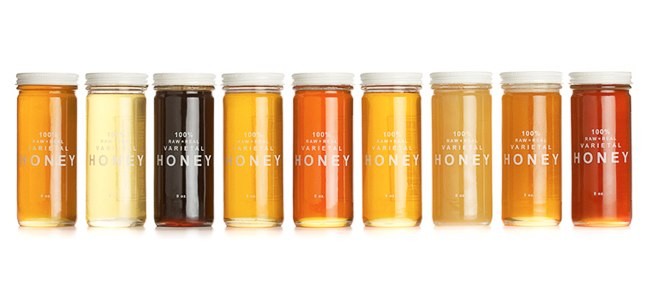
Honey is an amazing substance. It is a health-conscious sweetener, the only never-spoiling food, and is full of vitamins, minerals, and antioxidants. Honey comes in more than 3,000 varietals worldwide, depending on the nectar source from the honeybee! This causes each honey varietal to have a unique color, flavor, and chemical makeup. While most people know honey as a sweet food, many do not know about honey’s other uses.

Image result for honey varietals
Honey comes in over 3,000 varietals worldwide.
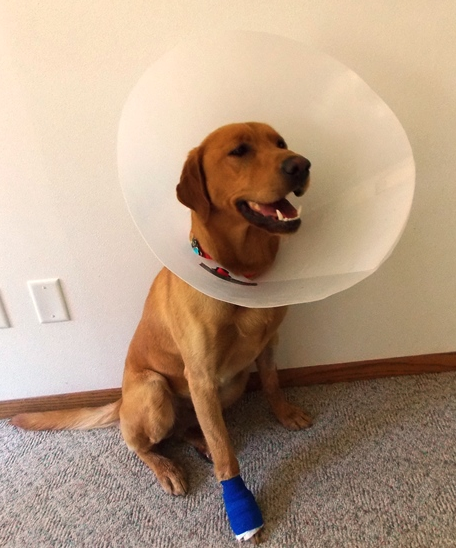
One of the most remarkable things about honey is that it is antibacterial. With Spring just around the corner, more and more folks are outside to enjoy the fresh season! However, between gardening, hiking, and other outdoor activities, there’s bound to be some scraped knees here and there. An incredible and natural way to care for minor wounds is honey! Some years ago, my dog Chuck ran away from home. When we finally caught up to him, he had a large cut on his paw. We took Chuck to the veterinarian, and after getting a number of stitches, she asked us to put honey on his wound. Because honey is only 17% water, bacteria cannot live in it. Additionally, honey is so viscous and thick that when it covers a wound it not only blocks bacteria from entering the wound, but it actually draws bacteria out. At the same time, it secretes a minute amount of hydrogen peroxide which actually promotes the healing process. Today, Chuck has minimal scarring and his paw is just fine. Honey works the same way on humans as it did on Chuck. Many hospitals now order honey in bulk for its medicinal purposes.
Chuck wearing a veterinarian- recommended honey cast for his wound.
Honey and other hive products are also often used in natural cosmetics. Being allergic to many artificial substances, I opt for all-natural cosmetic products, which typically feature honey. For example, the honey in my shampoo creates beautiful iridescent bubbles and develops a natural sheen to my hair because of its many vitamins and minerals.
Honey is truly a miracle substance. While many people only see honey as a delicious sweet treat, it is so much more than just a food!

Monday, August 1, 2016

Honeybees Need Your Help

Here are five things you can do to help the honeybee.

1. Plant bee-friendly flowers in your yard
There are many flowers that bees really like and we call these ‘bee friendly flowers.’ Bees need flowers to survive. Flowers produce pollen and nectar. The bees collect the pollen to eat for themselves and to feed to their babies back home. Pollen is the bees source of protein, just like you and I need protein to grow healthy and strong, bees need protein as well. Nectar is the bees carbohydrates. Carbohydrates give the bees energy to do all of their many jobs. Honeybees also use the nectar to make honey! You can help provide the bees with food by planting flowers in pots or in your yard for the bees to come and collect pollen and nectar! 

Bees drinking water


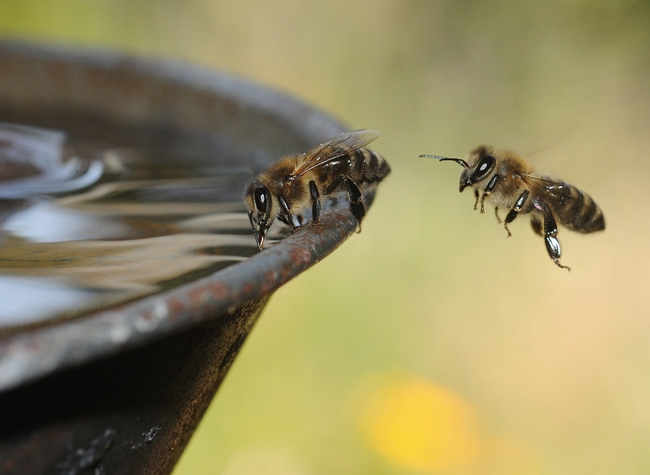
2. Make sure the bees have plenty of water
Just like most creatures on earth, bees need water. Water helps to keep the bees hydrated. You can help the bees by creating a little spot for them to come and get clean water to drink. Pour water in a small bowl and add rocks or sticks to the water so there is a place for the bees to land so they don’t drown. Providing the bees with water is a great way to help!


3. Buy local honey
Local honey for sale
You can support beekeepers by buying local honey. Beekeepers work hard to keep their bees alive and healthy so that they can pollinate our food for us. Many times when the bees make honey, the beekeeper will sell that honey to make money to keep taking care of his/her bees. So you can help the honeybee by supporting and buying honey from a beekeeper in your area!

4. Become a beekeeper
Yes, you can be a beekeeper! Beekeepers are all different ages. So whether you are a young kid or a grown adult, you can start keeping bees. The first step to being a good beekeeper is learning as much as you can about honeybees. There are classes and books that will teach you all you need to know to start your own beehive. Starting your own bee hive is a very fun way to help honeybees! 
Kids who started beekeeping
5. Teach others what you know
Lastly you can teach your friends and family what you know about honeybees. You can teach them how important they are to our food supply and to our environment. You and your friends can plant flowers together, or make bee watering spots, or even enjoy eating honey snacks together all while helping the honeybee thrive. 

Honeybees are amazing creatures and they need your help!  

Sunday, May 1, 2016

Construction Zone: Building Up a Hive

Very new wax
Spring is the time of year when both beekeepers and honeybees are very busy! Once beekeepers install their package of bees in the hives, they generally give them a few weeks to get on their feet. The honeybees' first task is to start building comb. The honeycomb is made of wax that the bees secrete from glands on their abdomen. Each bee can only create a small flake of wax at a time; thus the entire colony must work together to build their comb. When wax is brand new, it is pure white, and then it darkens with age. First year wax will typically be yellow in color. The bees build the comb on top of the hexagon pattern that is molded into the foundation. This process is called "drawing out" the comb. 

New wax being built on black foundation
A closer look, showing orange pollen in cells
The queen will begin to lay her eggs in the drawn comb, one egg per cell. These eggs hatch out into larvae, which look like pearly white crescent shapes inside the cell. The larvae are fed by the worker bees. For beekeepers, seeing eggs and larvae in the hive is a good sign, because this means their queen is working hard and is still alive. After the larvae almost completely fill their cell, worker bees will seal off their cell with wax. This allows the larvae to pupate, or develop its head, thorax, abdomen, legs, and other features of its body. From the time an egg is laid until a new bee hatches from its cell is 21 days.


It is also important to watch worker bees returning to the hive. Do they have pollen in the baskets on their rear legs as they return? If we cannot see pollen on returning bees, we can take a look at the comb. Can we see cells that are filled with yellow or orange? This means the bees are bringing back pollen from flowers, which is a source of protein they will feed to the baby bees. Protein is what helps the baby bees grow big and strong.

With the queen laying up to 2,000 eggs per day and the worker bees bringing in pollen to feed to babies, beekeepers know that their honeybees are off to a great start for the year. They are building up their population to ensure that there are plenty of bees to collect nectar to make into honey throughout the summer.
Comb full of large larvae
 

Sunday, November 1, 2015

Tools of the Trade: Basic Beekeeping Tools

As with any other activity, there are special tools used when beekeeping. Many of the most common beekeeping tools are used for protection against honeybee stings. Honeybees are protective, not aggressive. They will only sting if they feel they must to protect their hive and their queen. However, when a beekeeper opens up a hive to work inside, the bees might think the beekeeper is trying to hurt them and respond aggressively. With the proper tools, beekeepers can work with bees with a minimal risk of being stung.


The first tool of beekeeping is proper clothing. Some beekeepers choose to wear a full bee suit that covers their entire body. This suit is made of a thick material the bees cannot sting through. The beekeepers might also choose to wear gloves so none of their skin is showing. The suits are often made of white material because bees are less aggressive towards lighter colors. The reason for this is thought to be that honeybees’ natural predators are often dark in color. Imagine a beekeeper in a black or brown bee suit. The bees might think a bear is coming to destroy their hive and become very upset. On the other hand, very few animals that harm honeybees are light in color, so the bees are not as concerned if a beekeeper in white works with the hive. Bee suits are a great tool because they fully cover the beekeeper. However, bee suits can be very hot to work in and/or restrict movement, which is why some beekeepers choose to only wear a veil instead. A veil is a special hat with netting around the face. The netting keeps the bees from being able to sting the beekeepers face. Honeybees are very busy on warm summer days, so often a veil is all that is needed for protection.


Another tool used by beekeepers is the smoker, which, as suggested by its name, is used to create smoke. The first purpose of the smoker is connected to honeybee pheromones. Pheromones are scents honeybees use to communicate with one another. One scent, called the alarm pheromone, is used by worker bees to tell other workers bees something is wrong and they need to defend the hive. The bees might choose to use this scent when they see the beekeeper open the hive. As more and more bees smell the alarm pheromone, they are more likely to defend the hive against the beekeeper. However, the smell of smoke made by the smoker is stronger than the smell of the alarm pheromone. If the beekeeper uses the smoker on the hive, they bees won’t be able to smell the alarm pheromone, and they will stay calm. The second purpose of the smoker is to make the bees think their hive is on fire. Researchers think when the bees smell the smoke they believe the hive is on fire and they will have to leave the hive. However, they don’t want to leave empty handed, so they fill their honey stomachs up with as much honey as they can hold. However, having full honey stomachs keeps them from being able to sting, so the beekeeper is safe. Once the beekeeper finishes working in the hive and stops using the smoke, the bees realize there isn’t a fire and put all the honey back in the cells. The smoker is very effective and does not harm the bees in any way.

One tool used that isn’t connected to the safety of the beekeeper is the hive tool. Hives tools are used for a variety of purposes. First, honeybees have a tendency to seal everything in the hive using wax and propolis. Hive tools can be used to scrap the wax away to tidy up the hive. Second, honeybee hives are full of frames, which are used to store honey. Beekeepers can use the hive tool as a level to pull out individual frames when needed. Third, hive tools can be used as a hammer on loose nails or staples in the hive. Creative beekeepers will use their hive tools for any number of tasks throughout the day including scraping paint off a wall or cutting open a taped up box. There is no limit to the uses of hive tools.

Successful beekeeping is possible without any of these special tools, but they certainly make the job easier. Imagine a house-painter working without a ladder or a carpenter without a hammer. These workers would still be able to do their jobs, but it would be much more difficult. In the same way, beekeepers’ jobs are made easier with bee suits, veils, smokers, and hive tools.


Sunday, June 1, 2014

From the Hive to your Home


When you aren’t a beekeeper or don’t know a beekeeper, you get jars of honey from the store or buy it from a local beekeeper and that’s about it. Have you ever wondered how that honey gets to the jar and then into your home? It can be a long process for beekeepers to extract honey, but in the end, the final golden, delicious product is worth it. 

The first thing the beekeeper does is gather the frames full of honey comb and honey from the beehive. They need a smoker in order to complete this job. The beekeeper will light the smoker using pine needles, dry branches or other easily flammable kindling. The smoker is an essential tool because it calms the honeybees and makes them gorge on honey, which further pacifies them so beekeepers can work the hive. The beekeeper will open the hive with a hive tool and blow some smoke into the hive while lifting the lid slowly. 
 
Next, the beekeeper pulls frames out of the super and inspects the honey combs. There could be multiple supers on one hive, each filled with frames. Depending on how busy the bees were, how warm it was, and if the hive didn’t swarm, there could be anywhere from 20 to 100 pounds of honey in a super! Only completely sealed frames of honey are harvested. An easy way to transport the frames full of honey is to have an extra empty super to put them in until the beekeeper can extract the honey. Each frame can hold an average of 6.5 pounds of honey. 

Once the beekeeper is ready to extract the honey, they have to uncap the wax cells from both sides of the frame. They place the frame above a tub to catch the wax and honey that comes off with the wax. The beekeeper will run a heated knife called an uncapping knife down each side of the frame to unseal the cells. They don’t linger too long on the frame with the uncapping knife, because it can burn the honey! Then, the beekeeper will use an uncapping fork to gently shave off the caps of the cells to catch any cells that weren't uncapped with the heated knife.
 
After uncapping each frame, they place the frames into an extractor. This is a large barrel like machine that has a motor or hand crank used to spin the frames. When they start the extractor, the centrifugal force created by the extractor spins the honey out of the honeycomb onto the walls of the extractor. Thanks to gravity, the honey drips to the bottom of the extractor. There is a spout (which can be kept closed or open) where honey comes out at the bottom of the extractor.  


The beekeeper can either place a food grade bucket underneath the spout to catch the honey and bottle it later or bottle it as it comes out of the extractor. Typically they’ll place something like a colander over the jar or bucket to strain any extra wax that may have ended up in the honey. After they pour honey from the extractor into the jars, it’s locally sold or sent to farmers markets or grocery stores where it finally makes it to your home!

Tuesday, April 1, 2014

Think of Honey as Nature's Medicine Chest

You typically hear of honey being used for eating and for cooking. Have you ever thought about using honey for medicinal purposes? For more than 2,000 years, honey has been used medicinally. Aristotle even said honey was good as a salve for sore eyes and wounds! Honey can be used in multiple ways to improve your health on a daily basis. Here’s a few ways honey can help your health!
Enhances the Immune System
Honey stimulates our bodies to produce B-lymphocytes and T-lymphocytes. These lymphocytes seek out and destroy antigens, so they are very are important in immune system health. Eating 1-2 tablespoons of honey a day can help to boost your immune system!
Reduces Inflammation
Other than honey’s properties to combat bacterial infection, honey also has anti-inflammatory properties. Inflammation has been reduced by honey when there were no infections involved.
Stimulates Cell Growth
Wounds sometimes can show no signs of healing after long periods of time. It has been found that when wounds like this are treated with honey, the healing process, and cell regeneration, begins. Honey does this by promoting the formation of granulation tissue and by stimulating the growth of epithelium over wounds. These two necessary tissues basically form the new skin of the wound when it begins to heal or is healed.
Antioxidant Activity
Antioxidants are vitamins, minerals and other nutrients that may protect your cells from the effects of free radicals. Free radicals are molecules produced when your body breaks down food for energy, or by environmental toxins like cigarette smoke and radiation. Free radicals can damage cells, weaken the immune system and may play a role in heart disease, arthritis, cancer and other diseases. Multiple honeys, when tested, have shown varying degrees of antioxidant activity. The three honeys with the highest antioxidant content –Illinois buckwheat, California sunflower, and Hawaii Christmas berry- are dark colored honeys. Don’t count light honeys out though! They contain antioxidant activity as well just in lower amounts.  Manuka honey from New Zealand has also been shown to have very high antioxidant activity. 
Honey for Wounds
Due to little or no tearing of newly grown tissue when dressings are changed, wounds dressed with honey heal faster than with dry dressings. Moist environments are conducive to bacterial growth, yet most wounds heal best in a moist environment. The antibacterial properties found in honey solve this dilemma, making honey superior to other dressings. It's been said honey is great for small cuts and burns thanks to its amazing properties!


Honey in general is very healthy! The next time you head to your local farmers market or buy honey from a local beekeeper, remember honey is not just for eating! It has a multitude of other uses. Think of honey as nature’s medicine chest! For more information on honey as nature’s medicine and to see where some of my information came from, check out the book Honey: The Gourmet Medicine by Joe Traynor.

Saturday, February 1, 2014

The World of Beekeeping


Beekeeping is gaining popularity everywhere. There are around 212,000 beekeepers in the United States and many more throughout the world. Each place in the world, including the United States, has its own ways of beekeeping. Let’s explore two of these amazing and unique ways of beekeeping!

A beekeeper in Nepal collects honey.
One interesting way of beekeeping is in the high Himalayan foothills of central Nepal where teams of men come to harvest honey twice a year. Before harvesting honey from the honeybees, the community holds a harvest ritual where they gather together to pray and sacrifice flowers, fruits, and rice. Then, a fire is lit at the base of the cliff to smoke the honeybees from their honeycombs, allowing the men to gather the honey. From above the beehives, a “honey hunter,” or beekeeper, travels down the cliff using ropes attached to a ladder. The beekeeper then cuts out chunks of honey from the honeycomb while the honeybees are flying around (the smoke makes them leave their hive). For hundreds of years, the skills to perform this fascinating task have been passed down through generations in Nepal. 
                
The inside of a honeybee hive in Uganda.
Another place with a fascinating way of beekeeping is Uganda. Beehives in Uganda are traditionally constructed from timber or woven from bamboo plants. Honey in this area is normally harvested twice a year between March-June and August-October. Beekeepers in Uganda commonly use grass torches and fire at night to smoke the honeybees out of the hive to harvest honey. A few of the honeys they produce are Savannah bush honey and golden blossom honey. In Uganda, honey is most often eaten directly from the comb instead of in liquid form. 

There are many different areas in the world that keep honeybees. Looking at these examples from Nepal and Uganda, you can see that there’s a variety of places and ways you can manage honeybees. Remember, anyone can be a beekeeper! If you're interested in learning more about becoming a beekeeper, click here.