Thursday, April 30, 2020

Elderberry Syrup

Try 2020 American Honey Princess Sydnie's favorite recipe to boost your immune system!

Elderberry Syrup: the Deliciously Sweet Cold and Flu Remedy That ...

ElderberrSyrup:

                                         2/cudrieelderberries
                                         TBSGrounGinger
                                         TSCinnamon
                                         1/TSGrounCloves
                                         1/CupWater
                                         CuHoneoyouchoic(darkehoneprovidemorantioxidants)

PuelderberriesgingercinnamonancloveimediusaucepanMianadwaterBrintboilthereductloansimmercoveredfoahourTurofheaantakofheatcoolOnccooenougthandlemaselderberriewitthflasurfacospooosomethinsimilarStraijuicfroelderberrieintcontaineoyouchoiceToselderberrieanchunksCombinthhonewitthjuicuntithconsistencievenStorirefrigeratoutmonthsServinsizTSdailyHealthandelicioufoageove1.

Bacon Cheddar Cheese Ball

Try 2020 American Honey Queen Mary's favorite appetizer!


Wednesday, April 1, 2020

How do Honeybees Make Honey?


Have you ever wondered how honeybees make honey?

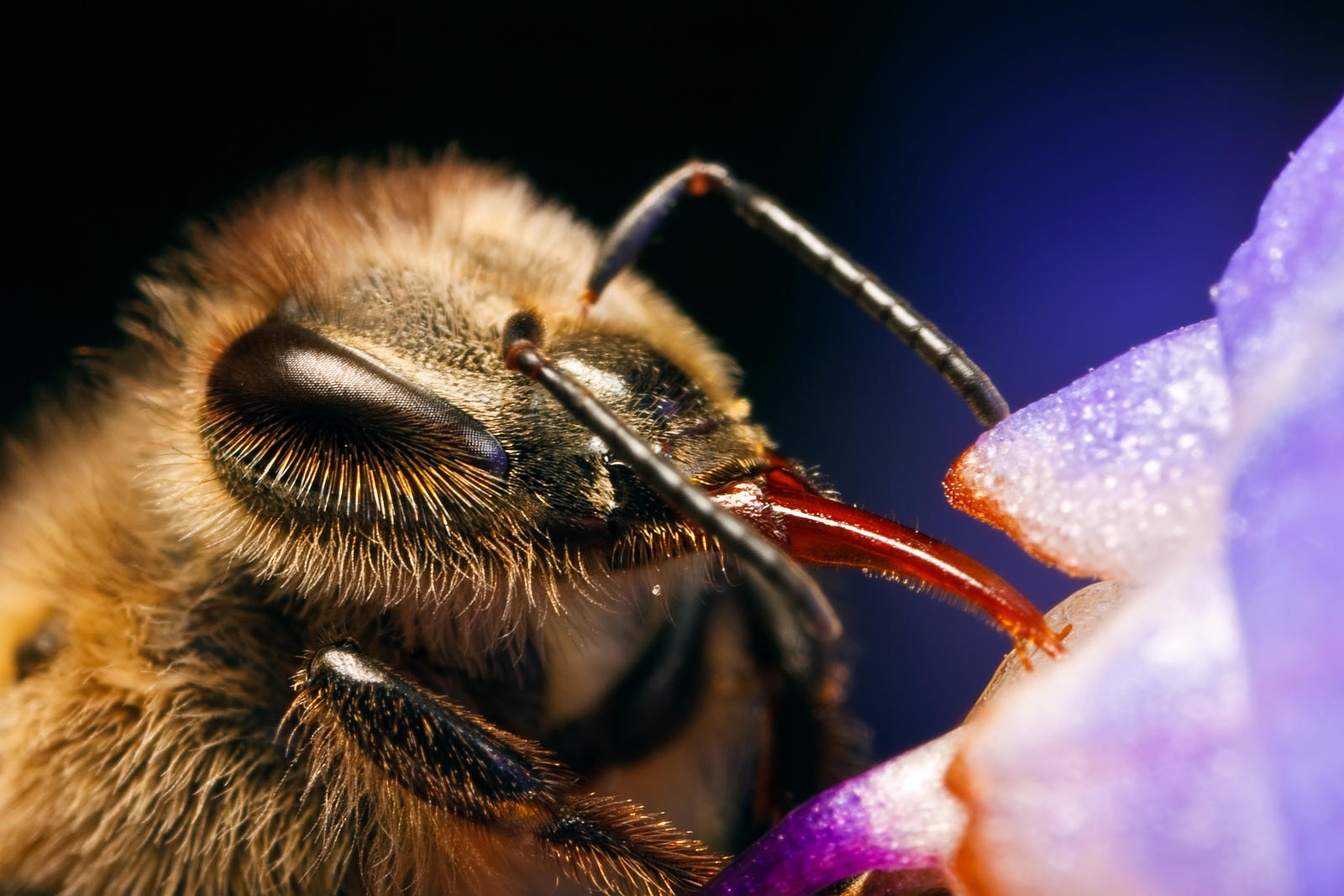
Well, flowers need pollination from honeybees to grow fruits, vegetables, and nuts. The way the flowers entice honeybees to pollinate them is by producing a sweet substance called nectar. The bees gather the nectar to turn into honey for their food. When a bee lands on a flower it will stick out its tongue (also called a proboscis). The proboscis is shaped like a straw and helps the honeybee suck up the nectar. 
Notice the bee's proboscis drinking the
nectar from the flower?

Photo: dalantech - deviant art

The nectar is then stored in a bucket inside their body called a honey sac. Honeybees can’t carry buckets like we can, so they store it in a special bucket inside their body. Inside the honey sac, the nectar is mixed with enzymes, special substances which give medicinal properties to honey. These enzymes add antibacterial, antimicrobial, and hygroscopic properties. That means honey is like nature’s Neosporin. Next time you get a cut or wound, put some honey on it and then a band-aid. The honey will clean the wound because of the cleansing properties and keep it moisturized and sealed to help it heal with as little scarring as possible. Many hospitals even use honey to help heal burns.

Honey stored in the honeycomb
Photo: Igor Dmitriey
While the honey is mixing with enzymes, the honeybee will fly home to her beehive. Inside the beehive the bee will deposit the honey from her honey sac into the honeycomb. The honeycomb is where baby bees are laid and born as well as the food (like honey) is stored. The bees will fan their wings over the nectar to dehydrate the honey (take some of the water out). Once some of the water is taken out, we have a thick, syrupy honey. The honeybees will put fresh beeswax over the honeycomb cells to make sure no dust or dirt comes in while the honey is stored until it is needed.

After all the hard work, the bees now have honey. Honey is their main food source, and they often have an excess amount of it. A beekeeper can then come in to take their extra honey they don’t need, so we can enjoy it too. Next time we enjoy honey drizzled on a biscuit or a honey smoothie, we should thank the hardworking honeybees.

Sunday, March 1, 2020

The Worker Bee

Did you know that 1/3 of our food in the United States requires pollination, and honeybees account for 80% of all pollinating? All of those hardworking honeybees who provide us a majority of fruits, vegetables, and almonds, are the female honeybees of the hive, also known as the worker bees. Have you ever wondered what else the worker bees are capable of in their home?

When a worker honeybee egg is laid by the queen, it takes approximately 21 days to develop into a full adult bee. When it is ready to be born, the worker, in it's cell, will chew through the wax cover and immediately get working. During the first stage of her life, her job is to feed larvae, which are developing young bees. She will give them "bee bread", which is a mixture of pollen and honey. She also has the task of feeding the drones, or the males of the hive, and the queen. In her next stage, she will build more honeycomb and clean around the hive. To build honeycomb, she creates wax with glands under her abdomen. Then she shapes the wax by chewing it with her jaws to her liking. 

As the worker becomes older, she will have more responsibilities for the hive, such as receiving incoming nectar from other worker bees that have been out at the blossoms and plants all day. She will also guard the hive with fellow workers from pests and predators. If there are any dead honeybees in their hive, the worker bees will remove their bodies to keep the home clean.

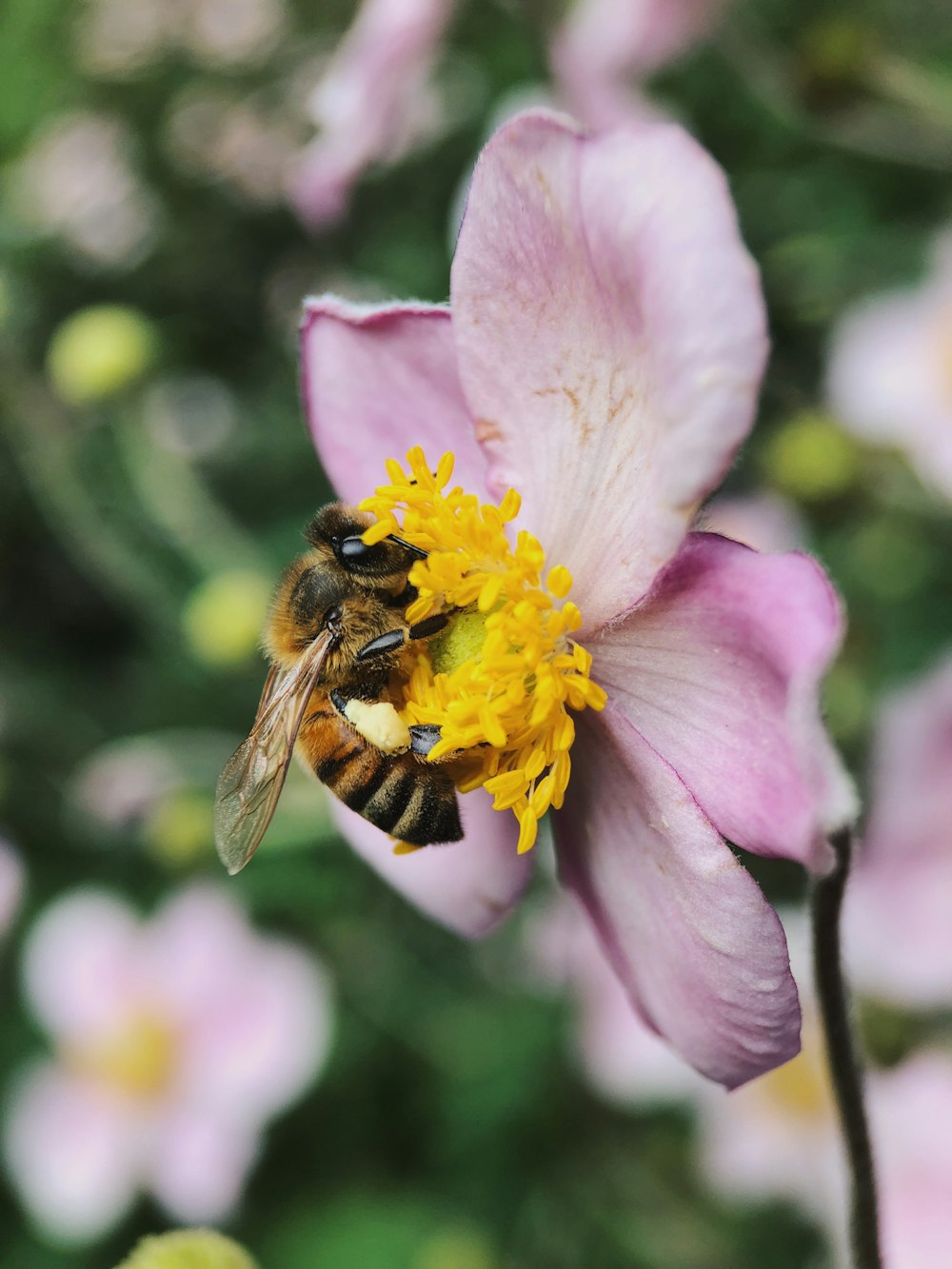
The most important task of a worker honeybee is pollination. Through her last stages in life, she will fly out in search of flowers that are filled with nectar. She then uses her ultra violet vision to discover flowers that have the most nectar. Next she will land on her favorite flower, and drink the nectar from that flower, which she stores in her honey sack, and her special enzymes will start to transform it into honey. As she drinks from the flower, she is also collecting the pollen from that flower, and it sticks to all of the little hairs on her body. When she is done at that flower, she will then move to a next one, and the pollen from the first flower will brush off of her body on to the new flower. This process is pollination, and it fertilizes the plants to help them produce healthily. 

shallow focus photography of bee on pink petal flower

Saturday, February 1, 2020

Build a Bee Bath

As honeybees are starting to get ready for spring and pollinating flowers, it’s a good idea to start thinking about what we can do to help them. There are 4 things honeybees forage for when going out of the hive: nectar and pollen for food, tree sap to make into propolis (sticky glue to keep the hive clean), and water (because all animals need water to survive). Sometimes it can be hard to find water, and when they do, they also have to worry about drowning. Honeybees need a spot where they can land and drink water without falling in. You can build a small watering hole for bees in your backyard!

Bees also like places with recognizable patterns. Decorating your watering hole with distinct shapes and colors will help the bees navigate back and forth from the water, to the flowers and back to their hive safely. Here are some instructions to make a watering hole for honeybees.

Step 1: Find something for the bees to land on. It can be small rocks and pebbles, corks, styrofoam, marbles or anything you can think of that will give the bees something to land on.

Step 2: Find a container with a wide opening that can hold water. If you are using rocks and pebbles (or something else that sinks), find a container that is shallow. If you are using something buoyant, then any depth of water will work. A plastic bowl, an old and empty pot, and plastic cups are all great options.

Step 3: Decorate your container: Start with a solid color base. Then draw pictures or put on stickers that have simple color schemes. Geometric shapes will work, but if you want to get creative, you can use hearts, clouds, animals or anything with clearly defined lines.

Step 4: Fill it with water and keep an eye out for honeybees and other pollinators to come by for a break.