Showing posts with label product of the hive. Show all posts

Tuesday, June 1, 2021

Bee Healthy with Products of the Hive

Honeybees are the only insects to provide humans with products that we can use. But did you know that these products of the hive can help to keep you healthy? Humans have been harvesting honey for more than 8,000 years while Ancient Egyptians used honey as part of their beauty regiment 3,000 years ago. From beauty care regiments to health supplements, the products of the hive can make you beautiful and healthy both inside and out.

Honey

One of the most apparent products of the hive packed with many health benefits is honey! There are trace amounts of vitamins and minerals such as calcium, iron, potassium, magnesium, and vitamin B6. Besides the trace vitamins and minerals found in honey, this golden liquid has antioxidants but also improves your health by lowering blood pressure and has been shown to improve cholesterol. In addition to using honey as a sweetner or in your cooking, it has other uses like a moisturizing hair mask or skin scrub. Honey is a humectant helping to draw moisture to the skin when used as a mask leaving your skin smooth and hydrated and helping to combate acne and inflammed skin. It is the antibacterial and anti-inflammatory properties found in honey that make it a great option when you have a cough and are looking for a soothing remedy or as a wound treatment. For years, honey has been used as an alternative wound care treatment on cuts, scraps, burns, and sunburns because of its ability to promote healing and prevent infection.

Pollen

Pollen is not only food for the bees but also something that we can enjoy because of the numerous health benefits. In pollen, there are over 250 proteins, amino acids, minerals like calcium, magnesium, and potassium, as well as vitamins A, E, D, C, and B. Pollen also has high quantities of antioxidants which can decrease wrinkles and signs of aging but also can decrease free radicals that lead to cancer. But those are not the only health benefits as pollen can lower high blood pressure and the risks of heart diesease. So the next time you are cooking, try incorporating some of those delicious yellow, green, and brown pollen pellets into your recipe to get a flavor boost in addition to the numerous health benefits found in pollen!

Propolis

The bee glue as it is sometimes referred to can close the openings within the hive but also be consumed as a way to keep you healthy. Because of the antifungal and anti-inflammatory properties in propolis, it has been used for thousands of years for wound healing in medicine and for beauty. Propolis can help to stimulate blood flow while also decreasing inflamation from bug bites, rashes, and other skin irritants. Your oral health can also benefit from consuming propolis as it can reduce plaque and heal sores. 

Beeswax

Besides the pleasant aroma of a beeswax candle to calm and relax you after a long day, the additional health benefits of beeswax may surprise you. When using beeswax in skin care products like lotion, makeup, chapstick, and face masks, the vitamin A works to rejuvenate and soften the skin. A beeswax lotion will add moisture to the skin but also help your body to retain the natural moisture found in the skin by creating a barrier from the elements. The healing properties of beeswax reduce acne as well as black spots but also help to reduce the appearance of scars. Incorporating beeswax into your skin care routine is easy and will benefit your skin.

Bee Bread

Bee bread is not only food for the bee larve but can also be consumed by humans. Bee bread is comprised of pollen, honey, beeswax, and enzymes mixed in from the bees and is filled with vitamins and amino acids. Besides the trace nutritional benefits, bee bread can help you when stressed to sleep better at night. 

Royal Jelly

Royal jelly sounds like it has to be healthy because it is royal. Royal jelly is nature's superfood for the bees and the queen. The queen bee is fed a diet made up of only royal jelly which helps her to develop into the largest bee and the bee responsible for laying eggs each and every day. The most common use of royal jelly is in beauty creams to promote collagen production. In addition to promoting collagen production, royal jelly is both antibacterial and antiviral which can assist in boosting the immune system. 


From pollen to honey, it is easy to be healthy with the many products of the hive. These poducts can be incorportated into your daily beauty regiment, your daily meal prep, or even into your health care routine! 


Tuesday, December 1, 2020

What do Bees Eat?

Did you know that honeybees eat more than just honey? They eat a couple different types of food to stay healthy and have energy to work!

Of course honeybees eat honey! They make it from nectar, the sugary substance flowers make to invite the bees to visit. The honeybees gather this nectar to make into honey. You can learn about how honeybees make honey in our past post called “How Do Honeybees Make Honey?” The honey they eat is the source of carbohydrates and gives them energy. Did you know that honey is a good energy source for humans too!
The pollen baskets are packed full!

Honeybees also eat pollen (a powdery substance flowers make) for their protein. They mix the pollen with nectar and pack it onto their back legs into their pollen baskets. They then carry the pollen home to feed to the brood (baby bees). This pollen keeps the honeybees healthy so they can fight off infection in the hive and help the baby bees grow big and strong.
The milky substance inside the cells is royal jelly.


Royal jelly is a milky, protein rich substance that the honeybees feed special eggs to make them become a queen bee. If the egg wasn’t fed royal jelly then it would become a worker bee, but when an egg is fed the special food it supercharges their development so that they are able to lay eggs and become a queen bee. Royal jelly is made from glands in the bees’ head. Some people like to eat royal jelly because it has so many healthy proteins in it. While it doesn’t turn you into a queen bee it can be a great way to keep yourself healthy.

Lastly, honeybees drink water. All living animals need water and honeybees are no different. They look for slow moving sources of water because honeybees can drown. Pollinating and collecting nectar is a hard job and the worker bees need somewhere safe to land to take a drink of water. We wrote back in February about how you can build your own bee water bath!

Wednesday, April 1, 2020

How do Honeybees Make Honey?


Have you ever wondered how honeybees make honey?

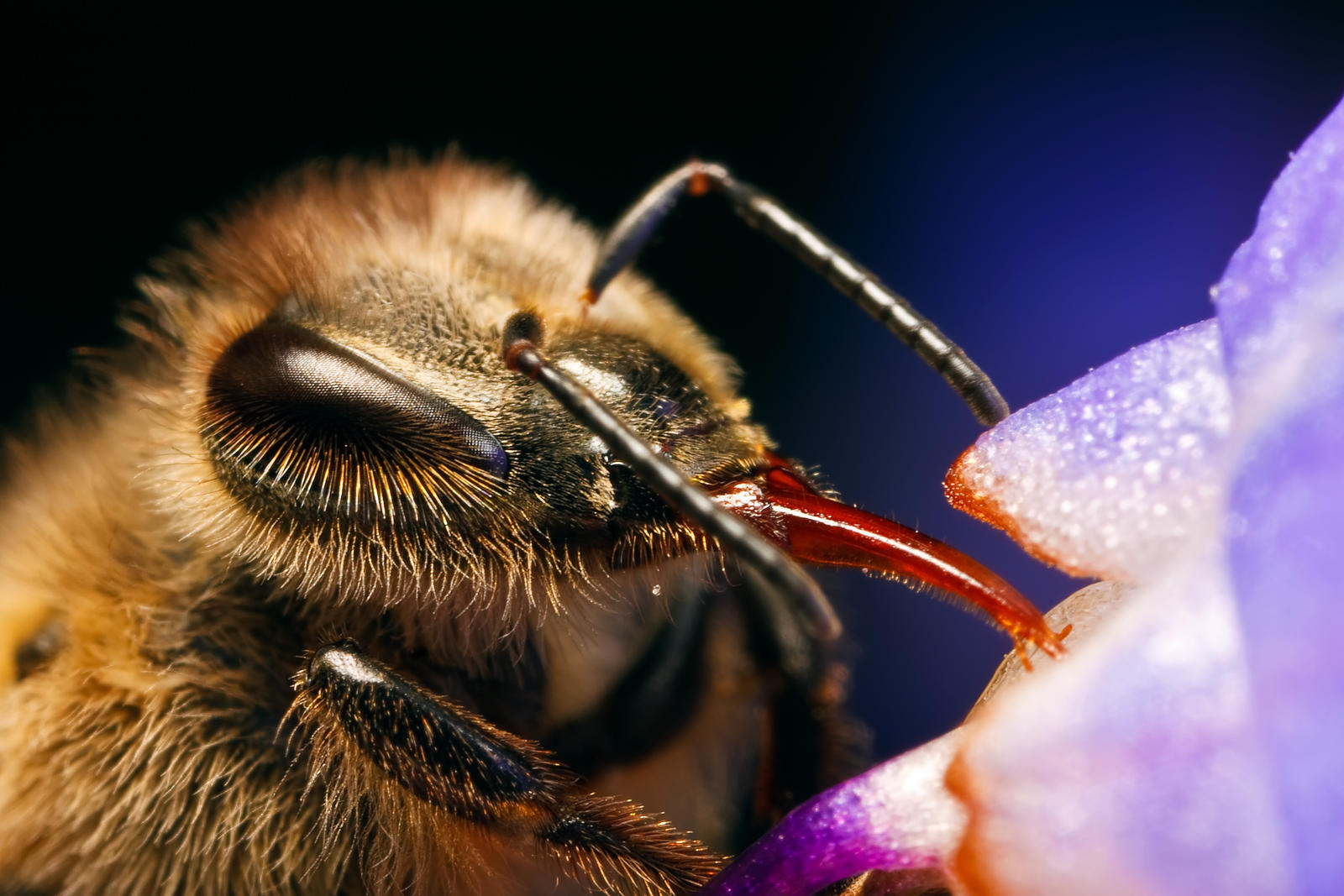
Well, flowers need pollination from honeybees to grow fruits, vegetables, and nuts. The way the flowers entice honeybees to pollinate them is by producing a sweet substance called nectar. The bees gather the nectar to turn into honey for their food. When a bee lands on a flower it will stick out its tongue (also called a proboscis). The proboscis is shaped like a straw and helps the honeybee suck up the nectar. 
Notice the bee's proboscis drinking the
nectar from the flower?

Photo: dalantech - deviant art

The nectar is then stored in a bucket inside their body called a honey sac. Honeybees can’t carry buckets like we can, so they store it in a special bucket inside their body. Inside the honey sac, the nectar is mixed with enzymes, special substances which give medicinal properties to honey. These enzymes add antibacterial, antimicrobial, and hygroscopic properties. That means honey is like nature’s Neosporin. Next time you get a cut or wound, put some honey on it and then a band-aid. The honey will clean the wound because of the cleansing properties and keep it moisturized and sealed to help it heal with as little scarring as possible. Many hospitals even use honey to help heal burns.

Honey stored in the honeycomb
Photo: Igor Dmitriey
While the honey is mixing with enzymes, the honeybee will fly home to her beehive. Inside the beehive the bee will deposit the honey from her honey sac into the honeycomb. The honeycomb is where baby bees are laid and born as well as the food (like honey) is stored. The bees will fan their wings over the nectar to dehydrate the honey (take some of the water out). Once some of the water is taken out, we have a thick, syrupy honey. The honeybees will put fresh beeswax over the honeycomb cells to make sure no dust or dirt comes in while the honey is stored until it is needed.

After all the hard work, the bees now have honey. Honey is their main food source, and they often have an excess amount of it. A beekeeper can then come in to take their extra honey they don’t need, so we can enjoy it too. Next time we enjoy honey drizzled on a biscuit or a honey smoothie, we should thank the hardworking honeybees.

Thursday, March 1, 2018

Honey is More Than a Sweet Treat!

Honey is an amazing substance. It is a health-conscious sweetener, the only never-spoiling food, and is full of vitamins, minerals, and antioxidants. Honey comes in more than 3,000 varietals worldwide, depending on the nectar source from the honeybee! This causes each honey varietal to have a unique color, flavor, and chemical makeup. While most people know honey as a sweet food, many do not know about honey’s other uses.

Image result for honey varietals
Honey comes in over 3,000 varietals worldwide.
One of the most remarkable things about honey is that it is antibacterial. With Spring just around the corner, more and more folks are outside to enjoy the fresh season! However, between gardening, hiking, and other outdoor activities, there’s bound to be some scraped knees here and there. An incredible and natural way to care for minor wounds is honey! Some years ago, my dog Chuck ran away from home. When we finally caught up to him, he had a large cut on his paw. We took Chuck to the veterinarian, and after getting a number of stitches, she asked us to put honey on his wound. Because honey is only 17% water, bacteria cannot live in it. Additionally, honey is so viscous and thick that when it covers a wound it not only blocks bacteria from entering the wound, but it actually draws bacteria out. At the same time, it secretes a minute amount of hydrogen peroxide which actually promotes the healing process. Today, Chuck has minimal scarring and his paw is just fine. Honey works the same way on humans as it did on Chuck. Many hospitals now order honey in bulk for its medicinal purposes.
Chuck wearing a veterinarian- recommended honey cast for his wound.
Honey and other hive products are also often used in natural cosmetics. Being allergic to many artificial substances, I opt for all-natural cosmetic products, which typically feature honey. For example, the honey in my shampoo creates beautiful iridescent bubbles and develops a natural sheen to my hair because of its many vitamins and minerals.
Honey is truly a miracle substance. While many people only see honey as a delicious sweet treat, it is so much more than just a food!

Monday, February 1, 2016

Bee Pollen Benefits


Honey bee collecting pollen
Honey is probably your favorite hive treat, but pollen has a lot to offer. Pollen is the yellowish powder that comes from flowers. Have you ever smelled a flower so close that you had a colorful powder on your nose? That's pollen! When honey bees gather nectar from flowers, they also collect and carry pollen from flower to flower and finally back to their hive to use as food. Honey bees mix pollen with nectar to make beebread, which they feed to the larvae (baby bees that will hatch soon). 


Related image
Bee pollen collected for humans to eat 

Scientists say bee pollen is a nutritious super food. Have you ever tried it? Pollen granules contain many vitamins, minerals and protein. Eating pollen is said to boost energy, improve digestive health and aid your immune system. One amazing thing about pollen is that it can help with allergies! Eating pollen from your area can help your body build up an immunity to pollens, with similar results to an allergy shot. You can buy bee pollen from a local beekeeper, farmer's market or health food store. It tastes a little crunchy, powdery, sweet and floral--like nothing you've tasted before! Safety is important, so ask your doctor before you decide to try pollen as a supplement. 


Honey bee covered in pollen
There are many benefits to bee pollen, but the biggest benefit comes to us when honey bees pollinate fruits, vegetables, nuts and other crops. Foods like blueberries, melons, broccoli, almonds and apples rely on honey bee pollination. As a bee buzzes from blossom to blossom, the tiny pollen particles coat her fuzzy body and legs. When she arrives at the next flower, a portion of the golden dust is transferred to that blossom and pollination happens. Check out this fun pollination activity you can try at home...with Cheetos! Whether we eat pollen or enjoying the fruits of pollination, we have the fuzzy, hard-working honey bee to thank!

Saturday, August 1, 2015

Honey, the Liquid Gold

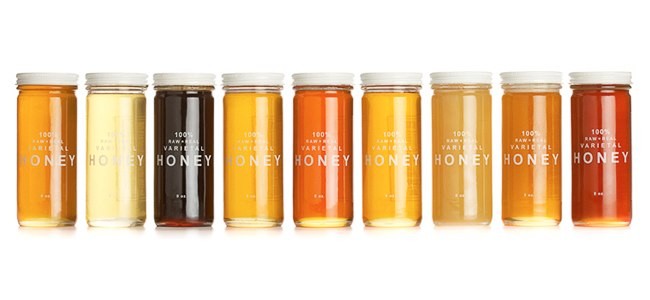
The many colors of honey!
Have you ever wondered why there are different colors and flavors of honey? Each kind of flower produces a different flavor and color nectar that bees use to make honey. We have different kinds of honey because honeybees are flower consistent. This means that instead of going from one kind of flower to another, (like from a sunflower to an orange blossom, and then to a clover flower) she will work one kind of flower on each trip until there is no more nectar in those flowers. When beekeepers bring their bees to pollinate a specific crop, like blueberries, the bees will only be visiting blueberry flowers, so it will make blueberry honey. There are actually more than 300 different kinds of honey in America, and more than 3,000 kinds in the world! Each type of honey has a unique flavor and color. The color of honey can range from a clear “water-white” to a dark brown color. The lighter honeys have a mild flavor, while darker honeys have a strong, bold flavor. It’s fun to try different kinds of honey and taste and see the difference between each of them.


Besides its deliciously sweet taste, honey also has many health benefits that make it good for you. Honey is a good source of carbohydrates. Carbohydrates are your body’s primary fuel for energy. This makes it a great energy booster! If you play sports, try some honey before your next game or practice to give you an extra energy boost. Many athletes and Olympians use honey for energy. Honey is also full of antioxidants which help protect cells in your body from harmful molecules. There are also lots of vitamins and minerals in honey. Vitamins and minerals boost your immune system, help you grow and develop properly, and help cells and organs do their jobs. Lastly, honey is antibacterial, so it kills bacteria and keeps you healthy. 


Honey is also wonderful to use in cooking, and is useful as more than just a sweetener. It can add a special touch to any recipe. With all the unique flavors to choose from, it can add great flavor to your recipes. Honey is a humectant, which is something that holds moisture and water, so it helps keeps baked goods moist and soft. Honey is antibacterial and antifungal so it keeps bacteria and mold from growing and helps baked good last longer. Honey is also an emulsifier and thickener. If you were to take water and oil and mix them together and shake it vigorously, little oil droplets are dispersed throughout the water. Then, if you let it sit, the water and oil will separate. What an emulsifier does is bind things together, so it would help that water and oil to mix together and not separate. Because honey is an emulsifier and thickener, it works well in sauces and dressings. 

Try this delicious and easy honey recipe to cool off and get energized this summer!

Fruity yogurt honey pops 
Honey is a sweet addition to any recipe.

  • 1 cup - pitted cherries or ½ cup strawberries (or other fruit of your choice)
  • 1 cup - nonfat Greek yogurt
  • 2 tablespoons - honey
In a small food processor or blender, puree the fruit for 30 seconds to 1 minute. Do not blend for too long or the puree will become too watery. In a measuring cup or bowl with pouring spout, stir together the yogurt and honey. Stir in about 2 tablespoons of the fruit puree. Taste and add more honey or fruit puree as desired. Pour fruit and yogurt mixture into popsicle molds, filling about ¾ of the way. Add wooden sticks and freeze for at least 3 hours. To remove: run warm water over the bottle of the popsicle mold and gently twist and pull out the popsicles.