Showing posts with label beeswax. Show all posts

Monday, July 1, 2024

Beeswax

Beeswax is what honeybees use to store honey, nectar, and pollen, as well as creating a place for the queen to lay her eggs. They have wax glands in their abdomens, so they secrete the wax out all over. Once it dries, they shake it off their abdomens and use their feet to form the hexagon pattern we see in honeycomb!

Humans find the wax useful as well. A beekeeper can take the empty comb, melt it down and filter it, then use in in a variety of ways. Some use it in candles because of its ability to melt and burn. Others use it in beauty products like lip balm or soap, because it has very moisturizing properties. Did you know that you can make a reusable alternative to plastic wrap using beeswax? By using fabric, melted beeswax, and pine rosin, you can make beeswax wraps.

No matter what you use it for, beeswax is a great resource!

Tuesday, August 1, 2023

Home Sweet Home and The Beeswax Builders

             The houses we live in provide protection from weather and the outdoor elements as well as a safe place for us to sleep. In contrast, honey bees must put on their construction hats and build their own home. Once honey bees find a safe spot to build their home such as inside a tree or in a hive box, they start building their walls out of a special material called beeswax. These walls are not only their home but also a storage space for honey and other important things.

Honey bees storing honey in their hive made of beeswax.

Worker bees that are 6-7 days old develop their 8 wax glands within their abdomen. These glands allow them to produce and secrete beeswax in the form of fragile flakes. Next, the worker bees peel off these flakes and chew them using their mandibles. This allows them to stick the beeswax to a surface and mold it into their favorite shape with six sides-- the hexagon. Each individual hexagon is called a cell.  Hexagons are honey bees’ favorite shape because they use the least amount of beeswax to allow for the most amount of space inside each cell.  The hexagons collectively serve important purposes within the hive.

Worker bee producing beeswax flakes from her abdomen.
The shape of a hexagon has 6 sides.
                                         

This clever construction of hexagon cells made of beeswax allows the honey bees to store their precious foods such as nectar, honey, or pollen. Additionally, the queen bee lays a single egg in each of these cells around 2,000 times a day, ensuring the growth of the colony. The walls of a bee hive are super close together. They leave just enough space for one or three bees to fit in between. This special arrangement helps the honey bees control the temperature inside the hive easily. Ultimately, honey bees are very resourceful and are remarkable mathematicians, engineers, and scavengers!


Beeswax walls close together help honey bees regulate the temperature of the hive.


Friday, July 1, 2022

Beeswax Bonanza

 It is a well known fact that honey bees make honey. Did you know that there are other commodities produced by the very useful honey bee that can be utilized in many different ways? The goods produced by honey bees that people can use are called products of the hive. Let's look at another product of the hive, beeswax, and what people do with it. 

A worker bee produces beeswax from her wax glands, located on the underside of her abdomen, the third segment of the body. The bee will then chew the wax, to make it moldable, and form it in the hexagons seen on a honeycomb.

Did you know that a hive of bees has to eat eight pounds of honey to have enough energy to produce one pound of beeswax?

Worker bee producing beeswax from her wax glands.

People use beeswax in many different ways, from candles to furniture polish. Beeswax is also a common ingredient found in beauty products, such as lip balm or soap. Beeswax is used along with rosin to treat string instruments to be able to play.

Encaustic painting is the art form in which artists use colored beeswax on canvas or board to create beautiful works of art. 

Encaustic art titled "The Iris" by American Beekeeping Federation member George Hansen

Some people use beeswax as a chewing gum, others coat cloth with the wax and make a sustainable plastic wrap alternative.

How do you use beeswax? Below is a link by Good Housekeeping to make your own beeswax wraps.

https://www.goodhousekeeping.com/home/craft-ideas/g25642328/diy-beeswax-reusuable-wraps/

Consider this for an eco-friendly and cost saving substitute for plastic wrap!

Tuesday, June 1, 2021

Bee Healthy with Products of the Hive

Honeybees are the only insects to provide humans with products that we can use. But did you know that these products of the hive can help to keep you healthy? Humans have been harvesting honey for more than 8,000 years while Ancient Egyptians used honey as part of their beauty regiment 3,000 years ago. From beauty care regiments to health supplements, the products of the hive can make you beautiful and healthy both inside and out.

Honey

One of the most apparent products of the hive packed with many health benefits is honey! There are trace amounts of vitamins and minerals such as calcium, iron, potassium, magnesium, and vitamin B6. Besides the trace vitamins and minerals found in honey, this golden liquid has antioxidants but also improves your health by lowering blood pressure and has been shown to improve cholesterol. In addition to using honey as a sweetner or in your cooking, it has other uses like a moisturizing hair mask or skin scrub. Honey is a humectant helping to draw moisture to the skin when used as a mask leaving your skin smooth and hydrated and helping to combate acne and inflammed skin. It is the antibacterial and anti-inflammatory properties found in honey that make it a great option when you have a cough and are looking for a soothing remedy or as a wound treatment. For years, honey has been used as an alternative wound care treatment on cuts, scraps, burns, and sunburns because of its ability to promote healing and prevent infection.

Pollen

Pollen is not only food for the bees but also something that we can enjoy because of the numerous health benefits. In pollen, there are over 250 proteins, amino acids, minerals like calcium, magnesium, and potassium, as well as vitamins A, E, D, C, and B. Pollen also has high quantities of antioxidants which can decrease wrinkles and signs of aging but also can decrease free radicals that lead to cancer. But those are not the only health benefits as pollen can lower high blood pressure and the risks of heart diesease. So the next time you are cooking, try incorporating some of those delicious yellow, green, and brown pollen pellets into your recipe to get a flavor boost in addition to the numerous health benefits found in pollen!

Propolis

The bee glue as it is sometimes referred to can close the openings within the hive but also be consumed as a way to keep you healthy. Because of the antifungal and anti-inflammatory properties in propolis, it has been used for thousands of years for wound healing in medicine and for beauty. Propolis can help to stimulate blood flow while also decreasing inflamation from bug bites, rashes, and other skin irritants. Your oral health can also benefit from consuming propolis as it can reduce plaque and heal sores. 

Beeswax

Besides the pleasant aroma of a beeswax candle to calm and relax you after a long day, the additional health benefits of beeswax may surprise you. When using beeswax in skin care products like lotion, makeup, chapstick, and face masks, the vitamin A works to rejuvenate and soften the skin. A beeswax lotion will add moisture to the skin but also help your body to retain the natural moisture found in the skin by creating a barrier from the elements. The healing properties of beeswax reduce acne as well as black spots but also help to reduce the appearance of scars. Incorporating beeswax into your skin care routine is easy and will benefit your skin.

Bee Bread

Bee bread is not only food for the bee larve but can also be consumed by humans. Bee bread is comprised of pollen, honey, beeswax, and enzymes mixed in from the bees and is filled with vitamins and amino acids. Besides the trace nutritional benefits, bee bread can help you when stressed to sleep better at night. 

Royal Jelly

Royal jelly sounds like it has to be healthy because it is royal. Royal jelly is nature's superfood for the bees and the queen. The queen bee is fed a diet made up of only royal jelly which helps her to develop into the largest bee and the bee responsible for laying eggs each and every day. The most common use of royal jelly is in beauty creams to promote collagen production. In addition to promoting collagen production, royal jelly is both antibacterial and antiviral which can assist in boosting the immune system. 


From pollen to honey, it is easy to be healthy with the many products of the hive. These poducts can be incorportated into your daily beauty regiment, your daily meal prep, or even into your health care routine! 


Friday, May 1, 2020

Other than honey, find these in the hive!


Healthful Products from the Hive | Mother Earth Living
Everyone who enjoys honey loves it for the taste and the unique, sweet flavor it possesses. We use it for cooking, as a natural sweetener, and even for medicinal purposes! However, many people don't know about the other products honeybees use and produce in the hive!

Honeybees make beeswax to form their hive. The bees create hexagonal shaped cells with the beeswax to store honey and pollen in. The cells also serve as a temporary home for the larvae (the developing bees). People may purchase beeswax with the honey still inside the cells, which is known as comb honey.

Comb honey is the most natural form of honey because it is bought exactly as it comes from the hive. Other than comb honey, there is chunk honey, which is a chunk of comb honey in a jar of liquid honey. Beeswax is used in plenty of cosmetics because of its soothing and healing properties. Beeswax may also be used to create candles; the candles have a very fresh, delicate honey smell, and they last quite a long time!

Propolis is what honeybees use to seal the cracks of their hive; the propolis makes the hive safer and more sanitary. Propolis is very beneficial for not only the honeybees, but also humans. Propolis contains anti-inflammatory, anti-fungal, and anti-bacterial properties. It is so rich in beneficial properties because it is made from sap in trees and resin from the tops of leaves and plants along with honeybee saliva and beeswax.

Pollen is a powdery substance honeybees carry from flower to flower to successfully pollinate. To gather it, honeybees collect the pollen on the backs of their legs in their pollen baskets. Then they bring the pollen home to produce bee bread. Bee bread is a mixture of honey and pollen that is fed to the larvae. Humans may also consume pollen; it contains plenty of nutrients and a lot of protein. People may buy it to use on salads and in smoothies. Pollen is a great source of protein for vegetarians.

There are so many different amazing products of the hive people may purchase and use in their life. Make sure you talk to a local beekeeper and try some for yourself!

Sunday, September 1, 2019

Bonuses Beyond the Hive

Honeybees do a very important job of pollination. Did you know that they provide bonuses beyond the hive? Beeswax is where bees store their honey. It can be used for so much more. Honey a great sweet treat but has a number of bonuses beyond the hive. 


Beeswax is the where everything in the hive is stored. It’s used in candles, many cosmetics, and used other strange uses. Surf boarders use beeswax to keep themselves from falling off the board. To reduce the use of plastic people are making reusable beeswax wraps. Beeswax is also an ingredient in chewing gum. People used to and to this day chew on honeycomb. It acts like a natural gum and is a tasty treat.

Honey has used in cooking for thousands of years and has many other uses. Honey has been used in medicines since ancient times. It cleans wounds, reduces pain and heals burns. One study shows that it helps get a better nights sleep. 

Both beeswax and honey are high in moisture which makes them great to use in homemade cosmetics. Beeswax is found in a lot chapsticks and lotions. Honey is amazing in a used in a face or hair mask. Below are two links for some great homemade products. Both made with the bonuses from the hive!

Check out these articles for DIY Beeswax Wraps and Honey Face Masks.

Friday, May 3, 2019

Honeybees Throughout History

The buzz about honeybees has been around for thousands of years. Honeybees helped humans in Ancient Egypt, Greece and early America. Rock art shows "honey hunting" in early civilizations in Africa, India and Spain, and organized beekeeping happened in ancient Egypt, Greece, Italy and Israel. The greatest minds throughout history have studied the fascinating honeybee. 

Ancient Egyptians are thought of as the first beekeepers in history. Historians have found hieroglyphs of bees dating back to 2422 BD! The oldest jar of honey found in the world came from the tomb of King Tut. Ancient Egyptians knew that honey was more than just a food. They used honey to clean wounds and to promote beauty and youthfulness in cosmetics. They used bees wax to make candles. Today, people are still using honey and hive products for the same purposes! 

Some of the greatest ideas about honeybees came from Ancient Greece. Before this point in history, most ideas and observations were passed down through oral traditional and stories. The Greeks wrote down their knowledge. One of the most well known minds to study bees was Aristotle around 342 BC. He was not a beekeeper, but that did not stop him from studying bees. Some of his ideas were correct but some of them were not. He knew there were three bees in the hive. He got the worker and drone bees correct, but he thought the queen bee was a king bee! 

Early settlers in America brought honeybees from Europe to North America in 1622. There were native bees already in North America but the colonist introduced domesticated bees. In colonial times, bees were extremely beneficial. Honey was used instead of highly-taxed sugar and beeswax was used for making shoe polishes, lipsticks and candles. The beehives featured on early American coins convey how important honeybees are in our history.


Monday, March 11, 2019

The Buzz About Beeswax

When people think of honeybees, one of the first things they think of is the honeycomb's hexagon shape. The six-sided comb is where the bees store honey and nectar, but what is it made from? Honeycomb is made from beeswax and is one of the many products we can can get from our bee hives. A female worker bee does many interesting things in her lifetime, and how she makes beeswax is one of their most impressive skills.

When a worker bee eats honey, she produces a clear wax in scales from eight 
glands on her abdomen. These special glands take the sugar from the honey and make it into beeswax. The bee who made the wax will remove these scales with her legs, or another bee will come and help her remove them. The bees take that scale and shape the beeswax using their legs and strong jaws to make it into a soft ball. Then, it is able to be taken around the hive and placed wherever it is needed. 

Beeswax has many uses outside the hive and is great for many homemade crafts such as candles, lip balms and beauty recipes. 
Beeswax is also a great moisturizer found in a lot of cosmetics. Lip balms and lotion bars are very popular products made with beeswax because beeswax acts as a barrier to trap moisture and leave your skin feeling soft. Search "homemade honey beauty recipes," and try one today!


Beeswax candles are environmentally friendly and burn clean (meaning they create little smoke). Beeswax candles are also known to burn brighter and longer with a strong natural smell. Beeswax candles can be made either by rolling colorful sheets of beeswax around a wick or by melting beeswax and pouring it into a candle mold. Search "make your own beeswax candles" for more information.

Honeybees work hard to produce beeswax, and they use it to store all their most important belongings. Keep an eye out for some amazing products made with beeswax.

Saturday, December 1, 2018

Happy Holidays


Happy Holidays to everyone! December is a busy month full of celebrations. Hannukah and Christmas are among the top most celebrated holidays. As American Honey Queen, I think of how to incorporate honey and other products of the hive into my celebrations!

Beeswax candles are used for Hannukah.
This year, Hannukah, the Jewish Festival of Lights, runs from December 2-10, where candles are lit every day in celebration of the re-dedication of the second Jewish Temple in Jerusalem. The candles used can be beeswax. Beeswax candles burn longer, give off a slight honey smell, and are environmentally friendly.

Like most holidays, there is always cooking and special foods involved. A traditional food for Hanukkah is fried latkes. Check out this recipe for honey inspired applesauce and latkes.

Christmas, the celebration of the birth of Jesus Christ, takes place on December 25. This popular holiday is often filled with gift giving. If you need a last minute gift, consider giving a book on beekeeping or unique flavor of honey to a friend or family member. If you know a beekeeper that you still need to give a gift to, consider a new set of gloves or hive tool.

Another food filled holiday, most families sit down for a meal as part of their Christmas celebration. Your Christmas meal would be great if it included honey! Check out this recipe for Pineapple Honey Glazed Ham.

No matter what holiday you celebrate, I hope you have a sweet time!

Have a happy holiday!


Wednesday, August 1, 2018

Products of the Hive


The wonderful world of a beehive has long been known as the location where our honey bees make honey. What many don’t know is that honey bees make and collect other products for the hive. Those products can be extracted and utilized by us in our daily lives.


Honey
Honey is the most common product of the hive.
Honey is the most commonly thought of product that comes from the hive. Honey bees collect nectar from the hundreds of flowers they visit in a day. That nectar gets returned to the hive where it is deposited into a honey comb cell. The nectar is then fanned by a worker bee’s wings to get a lot of the moisture out for it to be turned into the honey we enjoy. Honey can be used for cooking instead of granulated sugar, for treating minor cuts and scrapes, and is a great remedy for treating a sore throat.


                                                              Beeswax
Beeswax is made from honey bees' bodies.
Honey bees produce tiny scales of beeswax from their body that they use to build up the honey comb and cover the nectar that has been turned into honey. Beeswax that is extracted can be used to make beeswax candles, lip balms, and other skin care products.


Pollen
Pollen is collected by honey bees to be used as food.
When a honey bee visits flowers to collect nectar, it is also collecting pollen. The pollen collected is stored on the back two legs of the bee on their pollen baskets. The pollen collected is returned to the hive where it is stored in a honey comb cell to be used for food. Some people use pollen as a protein supplement. They add it to their cereal, yogurt, or even in smoothies.


Pictured is royal jelly in queen cells
Royal Jelly
A worker honey bee has glands on their head that produce a special liquid we call royal jelly. This jelly is crucial for growing queen bees, but humans also use it. Royal jelly contains botox, which prevents wrinkles, it is shown to help with wound care and can be found in skin and hair care products like the shampoo I use!

Thursday, March 1, 2018

Honey is More Than a Sweet Treat!

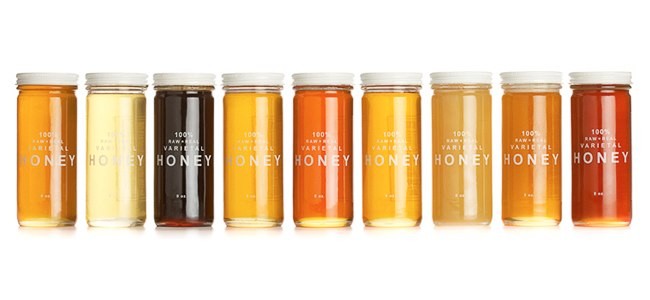
Honey is an amazing substance. It is a health-conscious sweetener, the only never-spoiling food, and is full of vitamins, minerals, and antioxidants. Honey comes in more than 3,000 varietals worldwide, depending on the nectar source from the honeybee! This causes each honey varietal to have a unique color, flavor, and chemical makeup. While most people know honey as a sweet food, many do not know about honey’s other uses.

Image result for honey varietals
Honey comes in over 3,000 varietals worldwide.
One of the most remarkable things about honey is that it is antibacterial. With Spring just around the corner, more and more folks are outside to enjoy the fresh season! However, between gardening, hiking, and other outdoor activities, there’s bound to be some scraped knees here and there. An incredible and natural way to care for minor wounds is honey! Some years ago, my dog Chuck ran away from home. When we finally caught up to him, he had a large cut on his paw. We took Chuck to the veterinarian, and after getting a number of stitches, she asked us to put honey on his wound. Because honey is only 17% water, bacteria cannot live in it. Additionally, honey is so viscous and thick that when it covers a wound it not only blocks bacteria from entering the wound, but it actually draws bacteria out. At the same time, it secretes a minute amount of hydrogen peroxide which actually promotes the healing process. Today, Chuck has minimal scarring and his paw is just fine. Honey works the same way on humans as it did on Chuck. Many hospitals now order honey in bulk for its medicinal purposes.
Chuck wearing a veterinarian- recommended honey cast for his wound.
Honey and other hive products are also often used in natural cosmetics. Being allergic to many artificial substances, I opt for all-natural cosmetic products, which typically feature honey. For example, the honey in my shampoo creates beautiful iridescent bubbles and develops a natural sheen to my hair because of its many vitamins and minerals.
Honey is truly a miracle substance. While many people only see honey as a delicious sweet treat, it is so much more than just a food!

Monday, August 1, 2016

Honeybees Need Your Help

Here are five things you can do to help the honeybee.

1. Plant bee-friendly flowers in your yard
There are many flowers that bees really like and we call these ‘bee friendly flowers.’ Bees need flowers to survive. Flowers produce pollen and nectar. The bees collect the pollen to eat for themselves and to feed to their babies back home. Pollen is the bees source of protein, just like you and I need protein to grow healthy and strong, bees need protein as well. Nectar is the bees carbohydrates. Carbohydrates give the bees energy to do all of their many jobs. Honeybees also use the nectar to make honey! You can help provide the bees with food by planting flowers in pots or in your yard for the bees to come and collect pollen and nectar! 

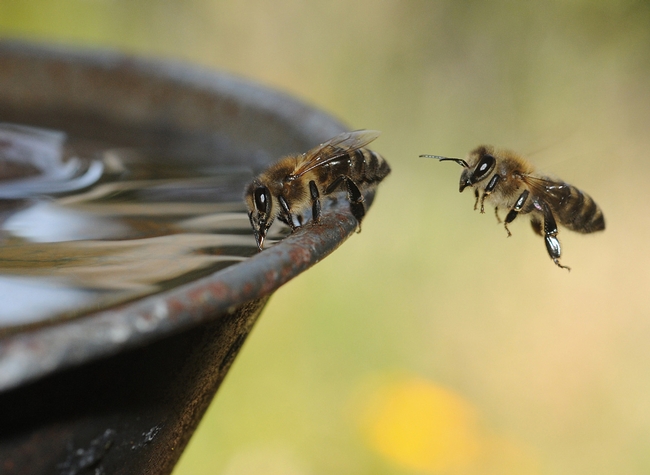
Bees drinking water


2. Make sure the bees have plenty of water
Just like most creatures on earth, bees need water. Water helps to keep the bees hydrated. You can help the bees by creating a little spot for them to come and get clean water to drink. Pour water in a small bowl and add rocks or sticks to the water so there is a place for the bees to land so they don’t drown. Providing the bees with water is a great way to help!


3. Buy local honey
Local honey for sale
You can support beekeepers by buying local honey. Beekeepers work hard to keep their bees alive and healthy so that they can pollinate our food for us. Many times when the bees make honey, the beekeeper will sell that honey to make money to keep taking care of his/her bees. So you can help the honeybee by supporting and buying honey from a beekeeper in your area!

4. Become a beekeeper
Yes, you can be a beekeeper! Beekeepers are all different ages. So whether you are a young kid or a grown adult, you can start keeping bees. The first step to being a good beekeeper is learning as much as you can about honeybees. There are classes and books that will teach you all you need to know to start your own beehive. Starting your own bee hive is a very fun way to help honeybees! 
Kids who started beekeeping
5. Teach others what you know
Lastly you can teach your friends and family what you know about honeybees. You can teach them how important they are to our food supply and to our environment. You and your friends can plant flowers together, or make bee watering spots, or even enjoy eating honey snacks together all while helping the honeybee thrive. 

Honeybees are amazing creatures and they need your help!  

Sunday, May 1, 2016

Construction Zone: Building Up a Hive

Very new wax
Spring is the time of year when both beekeepers and honeybees are very busy! Once beekeepers install their package of bees in the hives, they generally give them a few weeks to get on their feet. The honeybees' first task is to start building comb. The honeycomb is made of wax that the bees secrete from glands on their abdomen. Each bee can only create a small flake of wax at a time; thus the entire colony must work together to build their comb. When wax is brand new, it is pure white, and then it darkens with age. First year wax will typically be yellow in color. The bees build the comb on top of the hexagon pattern that is molded into the foundation. This process is called "drawing out" the comb. 

New wax being built on black foundation
A closer look, showing orange pollen in cells
The queen will begin to lay her eggs in the drawn comb, one egg per cell. These eggs hatch out into larvae, which look like pearly white crescent shapes inside the cell. The larvae are fed by the worker bees. For beekeepers, seeing eggs and larvae in the hive is a good sign, because this means their queen is working hard and is still alive. After the larvae almost completely fill their cell, worker bees will seal off their cell with wax. This allows the larvae to pupate, or develop its head, thorax, abdomen, legs, and other features of its body. From the time an egg is laid until a new bee hatches from its cell is 21 days.


It is also important to watch worker bees returning to the hive. Do they have pollen in the baskets on their rear legs as they return? If we cannot see pollen on returning bees, we can take a look at the comb. Can we see cells that are filled with yellow or orange? This means the bees are bringing back pollen from flowers, which is a source of protein they will feed to the baby bees. Protein is what helps the baby bees grow big and strong.

With the queen laying up to 2,000 eggs per day and the worker bees bringing in pollen to feed to babies, beekeepers know that their honeybees are off to a great start for the year. They are building up their population to ensure that there are plenty of bees to collect nectar to make into honey throughout the summer.
Comb full of large larvae
 

Wednesday, July 1, 2015

Honeybees Can Sweeten Your Entire Home

Often, honeybees are thought of only as producers of honey, but honeybees can do a lot more for humans. Through creating honey and beeswax and pollinating flowers, honeybees are able to help in every room of a house.


Kitchen
Honey can be used in the kitchen in many different ways. To start, you can use honey on toast, cereal, pancakes, or any number of other foods. You can also bake with honey. One of the great things about honey is that it comes in many different flavors. Just like the fruit from an orange tree tastes different than the fruit from an apple tree, the honey made from an orange tree tastes different than the honey made from an apple tree. There are 300 different flavors of honey produced in the United States alone. Worldwide, over 3,000 different flavors are available. These types of honey range in color from being almost clear to being dark brown and have vastly different flavors. You can change the flavor of the foods you make just by using different types of honey. Try the recipe below from Gimme Some Oven (http://www.gimmesomeoven.com/no-bake-energy-bites/) to start baking with honey today!


INGREDIENTS:
·         1 cup (dry) oatmeal
·         2/3 cup toasted coconut flakes
·         1/2 cup peanut butter
·         1/2 cup ground flax seed
·         1/2 cup chocolate chips or cacao nibs (optional)
·         1/3 cup honey or agave nectar
·         1 tablespoon chia seeds (optional)
·         1 teaspoon vanilla extract

DIRECTIONS:
1.      Stir all ingredients together in a medium bowl until thoroughly mixed. Cover and let chill in the refrigerator for half an hour.
2.      Once chilled, roll into balls of whatever size you would like. (Mine were about 1" in diameter.) Store in an airtight container and keep refrigerated for up to 1 week.
3.      Makes about 20-25 balls.


Bedroom
Pollination is a process honeybees undergo to help crops grow. One crop honeybees pollinate is cotton. Without honeybees, there would be less cotton in the world. Take a look at the sheets on your bed and the clothes in your closet. A lot of the things you use every day are made from cotton. You can thank honeybees every morning that you wake up and put on a cotton shirt!


Bathroom
Did you know honey can be used to treat small cuts and burns? Honey is antibacterial, so putting some honey and a Band-Aid on a small cut will keep it from getting infected. The honey will also keep your skin soft and help it heal quickly. Honey can also be used in products such as shampoo, conditioner, and face wash. Honey is full of vitamins and minerals and can be used to keep your hair and skin healthy and soft. Rumor has it that Cleopatra bathed in milk and honey to keep her skin healthy and beautiful. In addition, beeswax can be used in products such as lip balm and lotion to further soften your skin. Try this simple recipe from Dr. Axe (http://draxe.com/homemade-honey-citrus-shampoo/) to begin your journey of using honey in the bathroom!


INGREDIENTS:
·         1 cup water
·         5 tbsp honey
·         5 drops lemon essential oil
·         5 drops melaleuca essential oil
·         Glass bottle with dispenser

DIRECTIONS:
1.      Combine all ingredients in a bowl and mix well
2.      Transfer to a container. Mix well before each use

The Rest of the House
Beeswax is used to make many things including wood polish and candles. Look around your house for wood floors, tables, and chairs. All of it can be kept looking nice by using beeswax wood polish. Now search your house for candles. Beeswax candles burn brighter and longer than candles made from other waxes. Do you own any candles made from beeswax?

Honeybees are tiny creatures with a mighty job. They help humans in endless ways every single day! Be sure to thank the honeybees next time you use something they helped make!


Wednesday, October 1, 2014

Beeswax and the Arts

Beeswax is used in many things like cosmetics and candles, and it is also used in the arts! Beeswax is used to make beautiful encaustic paintings, detailed sculptures and sweet-smelling candles.  

Beeswax is a natural wax that is produced by honeybees. Worker honeybees have four pairs of wax glands (eight total glands) on their abdomens that produce the wax. The wax flakes off their abdomen, and the honeybees form it into cells. Honeybees use wax to build their homes or hives making honeycomb with the hexagonal shaped cells out of the wax. They store everything in these cells like larvae or baby bees,
nectar, pollen, and honey. Beekeepers melt old wax or old comb into wax blocks.

Encaustic painting is better known as a hot wax painting. The paintings are very beautiful and really show the versatility of beeswax. Normally, encaustic painters melt beeswax to use in creating and molding their beautiful paintings. Equipment like metal tools and special brushes are used to sculpt the wax. Once it's cooled, encaustic painters begin creating their art. Encaustic paintings aren’t just sculpted, they can be painted as well. The natural wax makes bright, vivid colors when mixed with other color waxes. Did you know that some of the first encaustic paintings were seen around 100-300AD in the Fayum mummy portraits from Egypt? 

Not only is beeswax used in encaustic paintings, it can be used to create some amazing sculptures! Beeswax is really easy to use when hand molding a sculpture or pouring the wax into molds to create models and figures. Since the Middle Ages and ancient Rome, sculptors have used beeswax because it cuts easily, melts at a low temperature (so you don’t need a special oven or kiln to melt it), and it can be colored. Once molded into a gorgeous sculpture, beeswax will hold up well against age. In ancient Rome, they used beeswax to make death masks to be buried with the elite or royal. Who knew beeswax had so much history?

The wick and wax that you'll need
to make your candle!
Starting to roll your candle. 


A really fun and easy DIY project with beeswax is to roll your own candle! You can buy pre-melted beeswax sheets and wicks at any large beekeeping supplier (Dadant, Glorybee, etc). They sell a rainbow of colors that can brighten up your room or even make a neat, thoughtful gift for Christmas or Mother’s Day. Once you have the sheet of wax, cut the wax with a pizza cutter or scissors into four long sheets in order to make four candles (you can cut the wax smaller or larger if needed). Next, take the wick and measure it against the width of the wax edge and cut the wick, with scissors, so a little extra wick can stick out of the wax. The extra wick sticking out will how you light your candle! After this, press the wick into the far edge of the wax and roll a little bit of the wax over the top so the wick is completely covered except the part of the wick that will burn. Now comes the easy part! Continue rolling up the candle while keeping the edges straight. Maintain pressure to make sure your candle stays tight. The tighter you roll your candle, the longer it will burn. Even candle-making can be an art! The number one thing to remember is that anyone can try using beeswax in their arts and crafts. The main goal of artwork is to “bee” creative. 
The finished rolled candle. You can make them many shapes and sizes.