Showing posts with label food. Show all posts

Wednesday, October 1, 2025

Their Power, Our Dinner Plate

It’s easy to overlook the quiet work happening behind the scenes in nature, but pollinators are doing big things for our food supply every single day. From almonds to apples to that avocado toast you love, much of what we eat starts with a honeybee doing its thing.

So, What Foods Come from Pollination?

A lot of common foods  rely on pollinators:

  • Fruits: apples, blueberries, strawberries, watermelon, cherries, peaches

  • Veggies: cucumbers, pumpkins, squash, peppers

  • Nuts: almonds (they're 100% bee-pollinated!)

  • Coffee, chocolate, and even vanilla get help from pollinators, too

How Much Do Pollinators Really Matter?

A lot — like, billions of dollars a lot. Around 75% of global food crops depend at least in part on pollination. In the U.S. alone, pollination contributes $20+ billion annually to agriculture. Without bees, we'd still have some grains and root veggies, but the variety and nutrition in our diets would seriously suffer.

Next time you grab a piece of fruit or drizzle honey into your tea, give a quiet shoutout to the bees. They’re tiny, but their impact is massive — and our plates (and grocery stores) are way more colorful because of them.


Photo Credit to Genetic Literacy Project


Monday, April 1, 2024

Honeybees Need Help Too

Honeybees do a lot to help us, but they need some help from us too.   

In the winter, honeybees eat food that the beekeepers leave in the beehive. By spring, the hive is usually getting low on food, so honeybees need to go visit flowers to collect pollen and nectar. The first flower that gives the honeybees lots of pollen and nectar is the dandelion. You can help honeybees by letting your grass get a little longer in the spring and letting the dandelions grow to give the honeybees food. Once dandelions are mostly white, honeybees can't get anymore food from the flower; then it is a good time to cut the grass. 


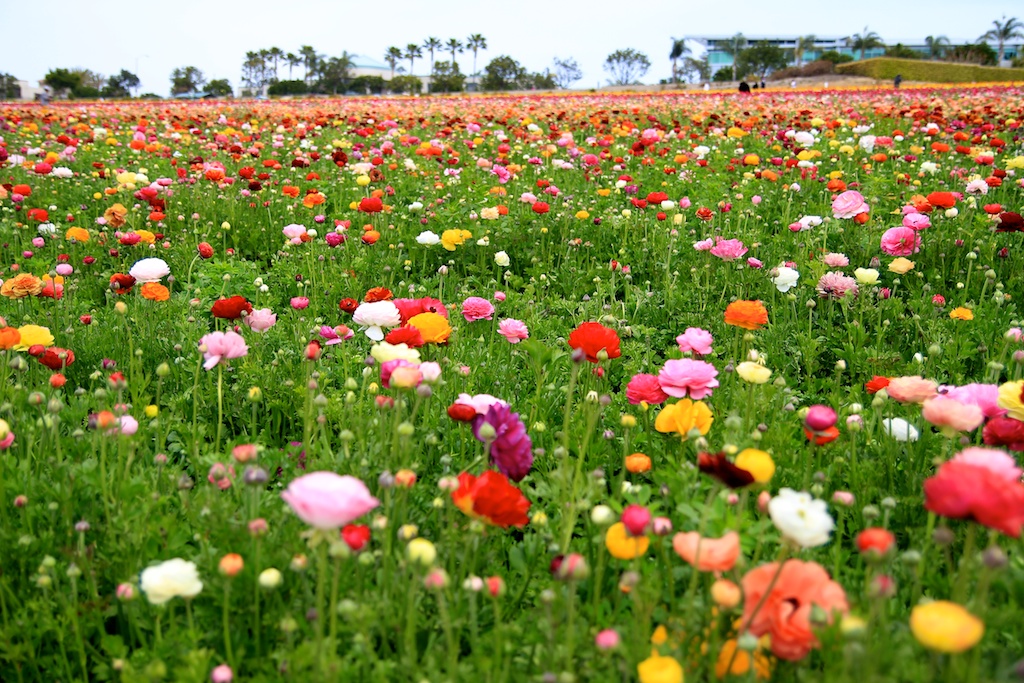
Planting flowers for honeybees to visit is another great way to help honeybees. Planting flowers that will boom at different times in the spring, summer, and fall make sure that they honeybees will have food all the time. 


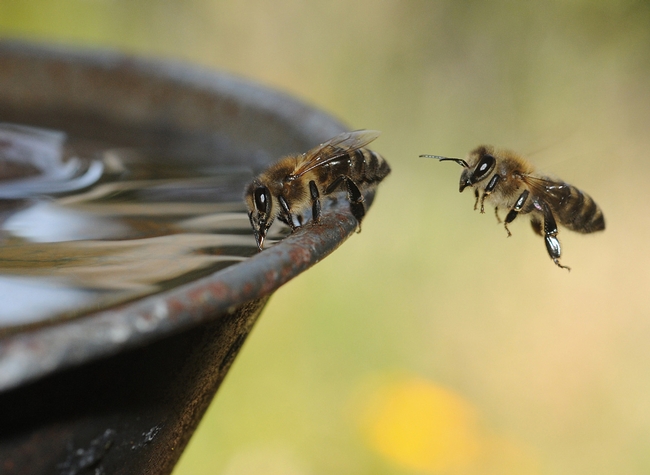
One hive of honeybees can go through a gallon of water every day. They have to collect that water to drink and to cool down the beehive. Honeybees cannot swim, so you can help them get the water they need by putting some stones in a bird bath. The stones give the honeybees a place to land and sit while they are collecting water. Other than helping the honeybees get food and water, there is another way you can help them. 


Leaving the honeybees that you see on flowers, in the air, and drinking water alone to do their work helps the honeybees. Honeybees do not want to sting you. They are working to make honey and food for the beehive. Don't swat at honeybees when you see them, and give them some space to keep working. These are all very easy ways you can help honeybees do their jobs!

Wednesday, April 1, 2020

How do Honeybees Make Honey?


Have you ever wondered how honeybees make honey?

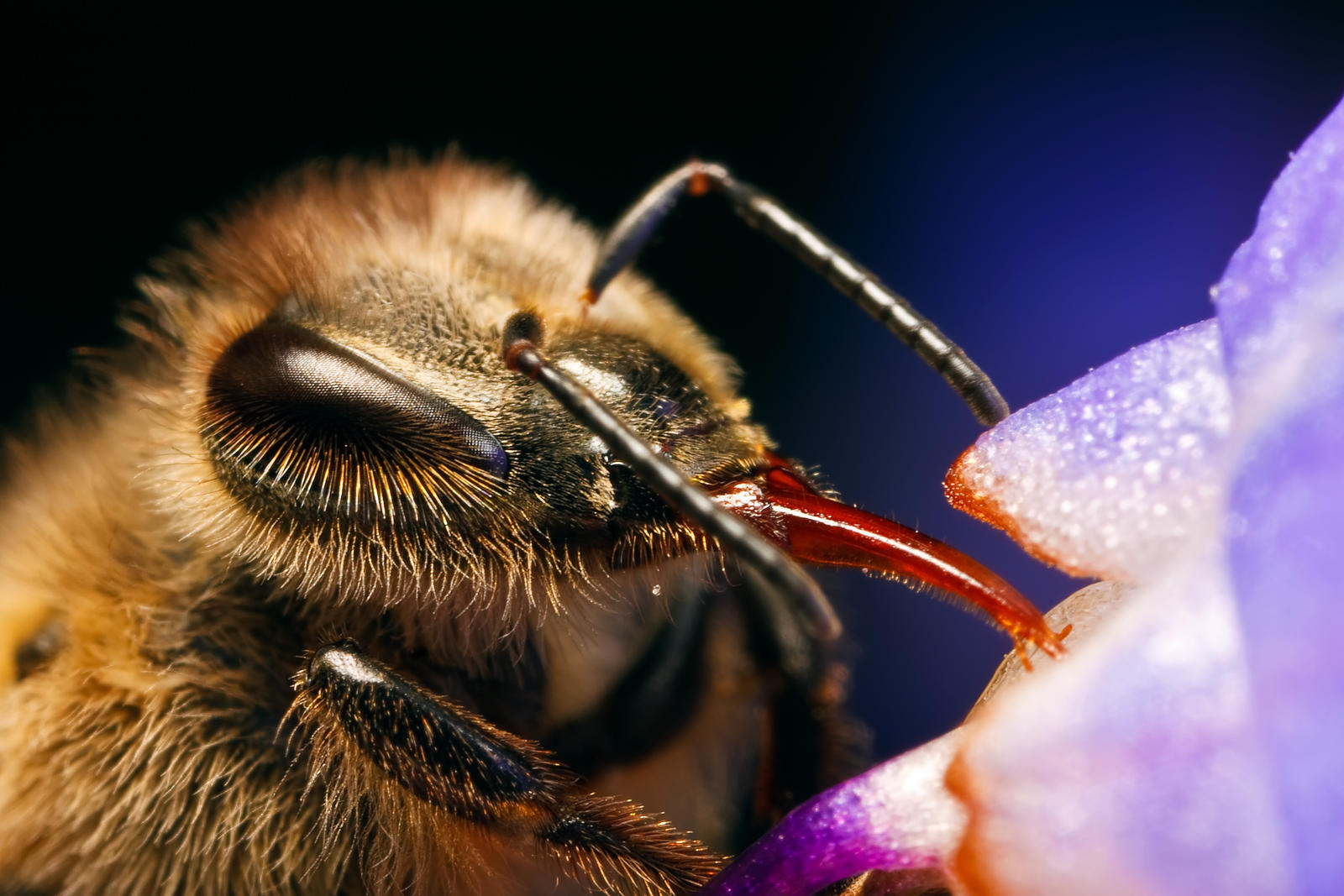
Well, flowers need pollination from honeybees to grow fruits, vegetables, and nuts. The way the flowers entice honeybees to pollinate them is by producing a sweet substance called nectar. The bees gather the nectar to turn into honey for their food. When a bee lands on a flower it will stick out its tongue (also called a proboscis). The proboscis is shaped like a straw and helps the honeybee suck up the nectar. 
Notice the bee's proboscis drinking the
nectar from the flower?

Photo: dalantech - deviant art

The nectar is then stored in a bucket inside their body called a honey sac. Honeybees can’t carry buckets like we can, so they store it in a special bucket inside their body. Inside the honey sac, the nectar is mixed with enzymes, special substances which give medicinal properties to honey. These enzymes add antibacterial, antimicrobial, and hygroscopic properties. That means honey is like nature’s Neosporin. Next time you get a cut or wound, put some honey on it and then a band-aid. The honey will clean the wound because of the cleansing properties and keep it moisturized and sealed to help it heal with as little scarring as possible. Many hospitals even use honey to help heal burns.

Honey stored in the honeycomb
Photo: Igor Dmitriey
While the honey is mixing with enzymes, the honeybee will fly home to her beehive. Inside the beehive the bee will deposit the honey from her honey sac into the honeycomb. The honeycomb is where baby bees are laid and born as well as the food (like honey) is stored. The bees will fan their wings over the nectar to dehydrate the honey (take some of the water out). Once some of the water is taken out, we have a thick, syrupy honey. The honeybees will put fresh beeswax over the honeycomb cells to make sure no dust or dirt comes in while the honey is stored until it is needed.

After all the hard work, the bees now have honey. Honey is their main food source, and they often have an excess amount of it. A beekeeper can then come in to take their extra honey they don’t need, so we can enjoy it too. Next time we enjoy honey drizzled on a biscuit or a honey smoothie, we should thank the hardworking honeybees.

Monday, January 1, 2018

Honey's Top Ten for 2018

Happy New Year, Honey! A new year equals a new you, and 2018 promises to be the sweetest yet. Start your year off right with these TOP TEN honey tips and tricks!

TEN
You're going to need a lot of energy to make it a great 2018! Try this recipe for Honey Energy Bars. Honey is often called "nature's perfect energy." Whereas refined sugar simply has empty calories, honey contains small amounts of proteins, enzymes, amino acids and minerals.

NINE
Sadly, it's likely you or someone in your family will get sick this winter. Try this recipe for Honey Cough Syrup to soothe your sore throat.

EIGHT
Homemade slime, putty and play dough is all the craze among young people! Try this easy recipe for Honey Play Dough.

SEVEN
There are more than 300 varieties of honey in the US. It all depends on the flower the bee got the nectar from! Make a goal to try at least two new kinds of honey in 2018. Buckwheat honey is great in BBQ sauces and wildflower honey would be delicious in honey butter!

SIX
When Spring arrives, plant a bee-friendly garden in 2018! Plant native flowering plants like Bee Balm, Blackeyed Susan or Goldenrod, and choose flowers that bloom at various times throughout the growing season so the honeybees will have a continuous supply of food.

FIVE
Honeybees add nearly $20 billion to the value of US crop production through pollination! As honeybees gather pollen and nectar for their survival, they pollinate crops like apples, cranberries, melons and broccoli. Try this pollination experiment that uses Cheetos!

FOUR
Read a book about honey, beekeeping or honeybees in 2018! Check your local library or read one of our favorites: Jump into Science: Honeybees, The Honeybee Man or What if There Were No Bees?

THREE
Use honey to help with your seasonal allergies! By eating a few teaspoons of local honey each day, your body can build up an immunity to the pollens in your area.

TWO
Did you know Cleopatra used to take baths with milk and honey for soft and silky skin? You can, too! Try this recipe for Milk & Honey Bath Melts.

ONE
Start every day out right by eating honey for breakfast! Try spooning some into hot tea, drizzling it on your peanut butter toast or sweetening up your oatmeal.

Monday, August 1, 2016

Honeybees Need Your Help

Here are five things you can do to help the honeybee.

1. Plant bee-friendly flowers in your yard
There are many flowers that bees really like and we call these ‘bee friendly flowers.’ Bees need flowers to survive. Flowers produce pollen and nectar. The bees collect the pollen to eat for themselves and to feed to their babies back home. Pollen is the bees source of protein, just like you and I need protein to grow healthy and strong, bees need protein as well. Nectar is the bees carbohydrates. Carbohydrates give the bees energy to do all of their many jobs. Honeybees also use the nectar to make honey! You can help provide the bees with food by planting flowers in pots or in your yard for the bees to come and collect pollen and nectar! 

Bees drinking water


2. Make sure the bees have plenty of water
Just like most creatures on earth, bees need water. Water helps to keep the bees hydrated. You can help the bees by creating a little spot for them to come and get clean water to drink. Pour water in a small bowl and add rocks or sticks to the water so there is a place for the bees to land so they don’t drown. Providing the bees with water is a great way to help!


3. Buy local honey
Local honey for sale
You can support beekeepers by buying local honey. Beekeepers work hard to keep their bees alive and healthy so that they can pollinate our food for us. Many times when the bees make honey, the beekeeper will sell that honey to make money to keep taking care of his/her bees. So you can help the honeybee by supporting and buying honey from a beekeeper in your area!

4. Become a beekeeper
Yes, you can be a beekeeper! Beekeepers are all different ages. So whether you are a young kid or a grown adult, you can start keeping bees. The first step to being a good beekeeper is learning as much as you can about honeybees. There are classes and books that will teach you all you need to know to start your own beehive. Starting your own bee hive is a very fun way to help honeybees! 
Kids who started beekeeping
5. Teach others what you know
Lastly you can teach your friends and family what you know about honeybees. You can teach them how important they are to our food supply and to our environment. You and your friends can plant flowers together, or make bee watering spots, or even enjoy eating honey snacks together all while helping the honeybee thrive. 

Honeybees are amazing creatures and they need your help!  

Wednesday, June 1, 2016

Honey: In the Kitchen

Have you ever tried honey and peanut butter together on a sandwich? How about honey on your pancakes for breakfast? Honey is a great complement to every meal! It can be eaten by the spoonful or mixed with other ingredients to make some deliciously sweet  dishes. 
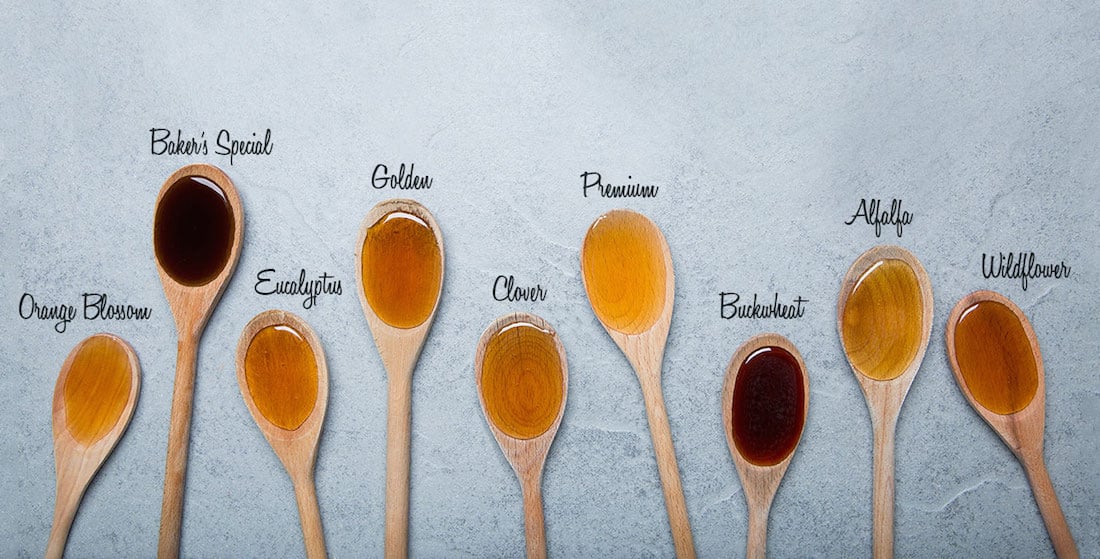
First, choosing which kind of honey you would like to use. Honey comes in all colors and flavors! In fact, there are more than 300 different varieties of honey in the United States and over 3,000 worldwide. Each of these honeys has a different color and flavor. The flavor of honey is determined by the nectar the bees gathered. Different flowers produce different flavors as well as different colors of honey. Some honey can be light in color and very clear, almost like water. Bees can also make honey that is thick and dark like molasses. Typically, the lighter the honey in color, the milder in flavor. Darker honey is stronger and bolder in flavor. Lighter honeys, like clover honey are great to eat on toast or to sweeten drinks. Many people like to sweeten coffee or hot tea with honey. Honey and green tea is great for when you have a sore throat. The hot tea helps to sooth while the honey coats and works to heal your throat. The next time you have a sore or itchy throat, try adding 2 tablespoons of honey to one cup of hot tea. Darker honeys like Buckwheat are great for cooking and baking. 

Here are three tips when you are baking with honey.
  1. Reduce the liquid called for in the recipe by ¼ for each cup of honey used. 
  2. Add ½ teaspoon of baking soda for each cup of honey used. 
  3. Reduce the oven temperature by 25 degrees F to prevent over browning. 

Whether you’re making a honey glaze for a ham or just adding it to fruits or vegetables in a recipe, the stronger honey will add a bold delicious flavor. Try this simple recipe for honey carrots! Combine 1 cup carrots, 1 tablespoon butter and three tablespoons honey. Heat on medium heat for 12 minutes. Stir and enjoy! Both lighter and darker honey is a great alternative to other syrups. If you want to try something new, use honey instead of maple syrup on pancakes and waffles. Or next time you want some chocolate or strawberry milk, try adding honey instead! Try it on your ice cream. 
Besides its deliciously sweet taste, honey also has many health benefits that make it good for you. Honey is a good source of carbohydrates. Carbohydrates are your body’s primary fuel for energy. This makes it a great energy booster! If you play sports, try some honey before your next game or practice to give you an extra energy boost. Many athletes and Olympians use honey for energy. There are also lots of vitamins and minerals in honey. Vitamins and minerals boost your immune system, help you grow and develop properly and help cells and organs do their jobs. Lastly, honey is antibacterial, so it kills bacteria and keeps you healthy. 
One last tip: remember to keep honey in your pantry--not your refrigerator. The cold will cause it to crystallize. However, if your honey does crystallize, put the container in a bowl of warm water and the crystals will dissolve. Honey never spoils!

Saturday, August 1, 2015

Honey, the Liquid Gold

The many colors of honey!
Have you ever wondered why there are different colors and flavors of honey? Each kind of flower produces a different flavor and color nectar that bees use to make honey. We have different kinds of honey because honeybees are flower consistent. This means that instead of going from one kind of flower to another, (like from a sunflower to an orange blossom, and then to a clover flower) she will work one kind of flower on each trip until there is no more nectar in those flowers. When beekeepers bring their bees to pollinate a specific crop, like blueberries, the bees will only be visiting blueberry flowers, so it will make blueberry honey. There are actually more than 300 different kinds of honey in America, and more than 3,000 kinds in the world! Each type of honey has a unique flavor and color. The color of honey can range from a clear “water-white” to a dark brown color. The lighter honeys have a mild flavor, while darker honeys have a strong, bold flavor. It’s fun to try different kinds of honey and taste and see the difference between each of them.


Besides its deliciously sweet taste, honey also has many health benefits that make it good for you. Honey is a good source of carbohydrates. Carbohydrates are your body’s primary fuel for energy. This makes it a great energy booster! If you play sports, try some honey before your next game or practice to give you an extra energy boost. Many athletes and Olympians use honey for energy. Honey is also full of antioxidants which help protect cells in your body from harmful molecules. There are also lots of vitamins and minerals in honey. Vitamins and minerals boost your immune system, help you grow and develop properly, and help cells and organs do their jobs. Lastly, honey is antibacterial, so it kills bacteria and keeps you healthy. 


Honey is also wonderful to use in cooking, and is useful as more than just a sweetener. It can add a special touch to any recipe. With all the unique flavors to choose from, it can add great flavor to your recipes. Honey is a humectant, which is something that holds moisture and water, so it helps keeps baked goods moist and soft. Honey is antibacterial and antifungal so it keeps bacteria and mold from growing and helps baked good last longer. Honey is also an emulsifier and thickener. If you were to take water and oil and mix them together and shake it vigorously, little oil droplets are dispersed throughout the water. Then, if you let it sit, the water and oil will separate. What an emulsifier does is bind things together, so it would help that water and oil to mix together and not separate. Because honey is an emulsifier and thickener, it works well in sauces and dressings. 

Try this delicious and easy honey recipe to cool off and get energized this summer!

Fruity yogurt honey pops 
Honey is a sweet addition to any recipe.

  • 1 cup - pitted cherries or ½ cup strawberries (or other fruit of your choice)
  • 1 cup - nonfat Greek yogurt
  • 2 tablespoons - honey
In a small food processor or blender, puree the fruit for 30 seconds to 1 minute. Do not blend for too long or the puree will become too watery. In a measuring cup or bowl with pouring spout, stir together the yogurt and honey. Stir in about 2 tablespoons of the fruit puree. Taste and add more honey or fruit puree as desired. Pour fruit and yogurt mixture into popsicle molds, filling about ¾ of the way. Add wooden sticks and freeze for at least 3 hours. To remove: run warm water over the bottle of the popsicle mold and gently twist and pull out the popsicles.

Wednesday, July 1, 2015

Honeybees Can Sweeten Your Entire Home

Often, honeybees are thought of only as producers of honey, but honeybees can do a lot more for humans. Through creating honey and beeswax and pollinating flowers, honeybees are able to help in every room of a house.


Kitchen
Honey can be used in the kitchen in many different ways. To start, you can use honey on toast, cereal, pancakes, or any number of other foods. You can also bake with honey. One of the great things about honey is that it comes in many different flavors. Just like the fruit from an orange tree tastes different than the fruit from an apple tree, the honey made from an orange tree tastes different than the honey made from an apple tree. There are 300 different flavors of honey produced in the United States alone. Worldwide, over 3,000 different flavors are available. These types of honey range in color from being almost clear to being dark brown and have vastly different flavors. You can change the flavor of the foods you make just by using different types of honey. Try the recipe below from Gimme Some Oven (http://www.gimmesomeoven.com/no-bake-energy-bites/) to start baking with honey today!


INGREDIENTS:
·         1 cup (dry) oatmeal
·         2/3 cup toasted coconut flakes
·         1/2 cup peanut butter
·         1/2 cup ground flax seed
·         1/2 cup chocolate chips or cacao nibs (optional)
·         1/3 cup honey or agave nectar
·         1 tablespoon chia seeds (optional)
·         1 teaspoon vanilla extract

DIRECTIONS:
1.      Stir all ingredients together in a medium bowl until thoroughly mixed. Cover and let chill in the refrigerator for half an hour.
2.      Once chilled, roll into balls of whatever size you would like. (Mine were about 1" in diameter.) Store in an airtight container and keep refrigerated for up to 1 week.
3.      Makes about 20-25 balls.


Bedroom
Pollination is a process honeybees undergo to help crops grow. One crop honeybees pollinate is cotton. Without honeybees, there would be less cotton in the world. Take a look at the sheets on your bed and the clothes in your closet. A lot of the things you use every day are made from cotton. You can thank honeybees every morning that you wake up and put on a cotton shirt!


Bathroom
Did you know honey can be used to treat small cuts and burns? Honey is antibacterial, so putting some honey and a Band-Aid on a small cut will keep it from getting infected. The honey will also keep your skin soft and help it heal quickly. Honey can also be used in products such as shampoo, conditioner, and face wash. Honey is full of vitamins and minerals and can be used to keep your hair and skin healthy and soft. Rumor has it that Cleopatra bathed in milk and honey to keep her skin healthy and beautiful. In addition, beeswax can be used in products such as lip balm and lotion to further soften your skin. Try this simple recipe from Dr. Axe (http://draxe.com/homemade-honey-citrus-shampoo/) to begin your journey of using honey in the bathroom!


INGREDIENTS:
·         1 cup water
·         5 tbsp honey
·         5 drops lemon essential oil
·         5 drops melaleuca essential oil
·         Glass bottle with dispenser

DIRECTIONS:
1.      Combine all ingredients in a bowl and mix well
2.      Transfer to a container. Mix well before each use

The Rest of the House
Beeswax is used to make many things including wood polish and candles. Look around your house for wood floors, tables, and chairs. All of it can be kept looking nice by using beeswax wood polish. Now search your house for candles. Beeswax candles burn brighter and longer than candles made from other waxes. Do you own any candles made from beeswax?

Honeybees are tiny creatures with a mighty job. They help humans in endless ways every single day! Be sure to thank the honeybees next time you use something they helped make!


Monday, December 1, 2014

The Science Behind the Shelf Life


Honey has been used throughout history for eating, cooking, medicine, and more. Honey is a healthy, versatile food, and many people have prized this sweet treat. Ancient Egyptians were one group of people who enjoyed using honey in everyday life. While excavating Ancient Egyptian tombs recently, archaeologists have found honey in pots left by those from older times. The honey was thousands of years old, yet, the food remained unspoiled and preserved. What is it that makes honey such a special food?

Honey is the only food that never spoils. Many factors contribute to this including its lack of water, its acidity, and the presence of hydrogen peroxide in honey. Without any of these factors, honey could not remain preserved for eternity. All three of those factors work in perfect and complete harmony to make the sweet golden liquid have a never ending shelf life. 

The first factor, its lack of water, comes from honey’s chemical makeup. Honey is a natural sugar. Sugars are hygroscopic, which means that sugars contain very little water in their natural state but could readily suck up lots of moisture if left unsealed. Because honey is a sugar, it has a hygroscopic nature. How does this help honey stay preserved? Bacteria need a moist environment to grow and honey doesn’t have a moist enough environment for bacteria to grow. Bacteria that enter foods and make them spoil can’t grow in honey. There has to be something in the honey jars to make them spoil and with such a inhospitable environment for bacteria, organisms can’t live long enough to spoil our precious sweet treat!

Not only is honey hygroscopic, but it’s also acidic. Naturally, honey has a pH range of roughly 3 - 4.5. This is why you always hear that when cooking with honey, it’s always good to add baking soda to your recipe. It's because of honey’s acidic pH! This pH is so acidic that most bacteria or organisms cannot survive. Honey is just not a good home to bacteria or organisms, but it’s great in our pantry. 

There are other hygroscopic foods out there with relatively low pHs. Why does honey remain unspoiled and not other foods such as molasses? This brings us to our last important factor, the presence of hydrogen peroxide. Here’s where our lovely little girls come in, the honeybees! Nectar, which is collected from the bees to make honey, is naturally high in water content. The bees remove much of that water, once inside the hive, by flapping their wings to literally dehydrate it. On top of the dehydrating, the bees also add something special to the product. Honeybees add an enzyme that adds to honey’s resilience. This enzyme is called glucose oxidase. When the bees deposit the nectar from their mouths into the beeswax combs to make honey, the enzyme mixes with the nectar. Once mixed with the nectar, the enzyme breaks down into two by-products: gluconic acid and hydrogen peroxide. Then, hydrogen peroxide also goes to work against possible spoiling agents in the honey.  For this reason, honey has been used for medical remedies and has been a cherished, long-lasting food. The hydrogen peroxide, combined with honey’s thickness, allows for the rejection of any kind of bacteria growth, and it creates the perfect barrier against the infection of wounds. 

Although honey is a super food, there is one extra factor you want to keep in mind--the seal of your honey. If you leave honey out with no seal in a humid environment, the moisture can’t be controlled and honey will spoil. This is why even inside the beehive, honeybees cap over their honey-filled cells with beeswax to preserve it! If no water is added to the honey and you keep the lid tightly on the jar, you’ve got a shelf life that will last way beyond a lifetime!


Monday, September 1, 2014

Honey in History


Many people think of  honey simply as a delicious food or sweetener. Throughout history, however, honey proves to be much more than a simple food. It is true that honey is one of the oldest sweeteners known to man and still widely popular today, but it is also an important cultural, religious, and mythological symbol.
Many different types of honey
The great diversity of honey flavors and textures available makes honey an extremely valuable staple in the kitchen. Honey has found its way onto our plates in many different forms and can be found in every type of food we consume, from appetizers to desserts, and everything in between. Honey is used in a wide range of recipes where it is prized as an all-natural sweetener as well as for its unique flavor contribution. There are more than 300 different varieties of honey produced in the United States and approximately 3,000 varieties worldwide.

An ancient cave painting
showing honey harvesting
Honey plays an important role as both a cultural and religious symbol;  it is often used to represent prosperity and wellbeing. References to honey are found in the Bible, the Koran, the Torah and other religious books. Some Greek mythology states that honey was the substance into which Cupid dipped his arrows, and mead (alcohol made from honey) has been called “the nectar of the gods.”
In ancient science and medicine, honey was appreciated for its unique healing properties. Some of the earliest known medical writings, including the Ebers Papyrus, include honey as an important ingredient in many remedies.
Burn cream made with honey
Today, honey is used to heal burns and wounds, treat allergies, fight infection and soothe sore throats. The antibacterial properties of Manuka honey have been studied at Universities in New Zealand for over 20 years, and its effectiveness in treating MRSA is still being studied. Honey is also a key ingredient in many cosmetic and beauty products.
Honey has a special place throughout history, and it continues to play an important role in many different cultures and religions. Honey has been a part of earliest history, and it remains at the forefront of new research and developments. Honey is a product with both a rich past and a bright future.


Friday, May 2, 2014

Helping the Honeybees

As the weather warms up in Spring, honeybees all across the country are breaking out of their winter clusters and once again flying from their hives to carry out the many tasks required to keep the hive healthy.

Unfortunately, each time we begin a  new beekeeping year, most beekeepers in the United States will have lost one third of their beehives. Honeybees are at risk because of many different factors. Similar to humans, honeybees can suffer from viruses, pests, and diseases. Also, an increasingly flowerless landscape and pesticides play a part.

The good news is that you can do something to help! From city to country, we can all help the honeybees. No matter how big or small you are, there are a few simple things you can do to make a big difference.

Planting bee friendly flowers:
Honeybees pollinate 80% of our crops while they are flying from flower to flower gathering nectar and pollen for their hives. In one collecting trip, a worker bee will visit 50-100 flowers to collect and bring back food for their hive. If the worker bees cannot find any flowers, there will be no food for the bees to eat.

Just like humans need to eat different types of foods to stay healthy, bees also need to eat a variety of different flowers.The more flowers that are available and the closer they are to each beehive, the healthier the bees will be.

Humans need to eat food throughout
the whole year, and so do our bees! In winter when it is too cold to fly outside, the bees will eat the honey that they have stored in their hive. During the rest of the year, they need to collect extra food for winter. To help the bees, we need to make sure to plant flowers that bloom at different times of the year so they have food all year long. While honeybees face many different problems, making sure they have enough nutritious food goes a long way towards keeping them healthy!

To find a list of honeybee and pollinator friendly plants for your area visit pollinator.org
Buying honey from a local beekeeper:
Honey is a delicious and healthy treat from our wonderful buzzing friends, it is the only food that never spoils and the only food made by insects which humans consume. Honey also comes in a wonderful array of colors and flavors unique to the area in which it was produced.
Buying from a local beekeeper ensures that you know where your honey came from and helps the beekeepers support their bees. You can often find local honey for sale at fairs and farmers markets.


Learning more about honeybees:
Honeybees are very amazing and complex insects. They help to provide food for us to eat, treat us to tasty honey, and amaze and fascinate people around the world every day.
The better we understand honeybees, the better able we are to care for them and protect them. If you take the time to learn more about honeybees, you will be astonished at all these little insects can do and the simple things we can do to help them.

Friday, November 1, 2013

Bee Thankful

With Thanksgiving just around the corner, there are many things to be thankful for, including honeybees! Honeybees play a very large role in our daily lives.

Historical beekeeping
In the 1600’s, Pilgrims and Indians celebrated the first Thanksgiving. Did you know that honey bees were originally brought to the United States by Pilgrims? Records indicate the first hive of bees was shipped from England and arrived in Virginia in 1622. These bees would have been very helpful to early settlers because of their pollination services. When bees pollinate, they fertilize plants. These fertilized plants will then produce fruits and vegetables. These foods would have been very important to the Pilgrims. Also, the bees would have produced a wonderful natural sweetener!
                 
Honey bees pollinate much of our food supply
Honey bees are still beneficial to our food supply today. Across the United States, honey bees pollinate over 90 different food crops and about 1/3 of our food – that’s like every third bite! Without bees, many of our favorite Thanksgiving dinner foods would be gone. Do you like cranberry sauce, beans, squash, sweet potatoes, or pumpkin pie? Without bees, we would have hardly any of these foods. Even the butter for your rolls and whipped cream for your pie would be scarce. Thanksgiving dinner would be pretty boring without honey bees!
Planting bee-friendly flowers provide bees with a food source
Because bees are so important, we must do what we can to help them. Planting bee-friendly flowers, buying honey from beekeepers, and telling about the importance of honey bees are great ways to help! This Thanksgiving, let’s be sure to be thankful for the wonderful gift of bees!